You turn on the windshield wipers during an unexpected Los Angeles shower and see long streaks cutting across your view. The blades move, but they leave the glass looking worse than before. Sometimes the rubber is worn out. Other times, dirt on the windshield or a loose blade connection causes the problem.
Choosing a replacement isn't complicated once you know what fits your vehicle, and careful installation prevents a small maintenance job from turning into a damaged windshield.
Why Windshield Wipers Leave Streaks and Smears
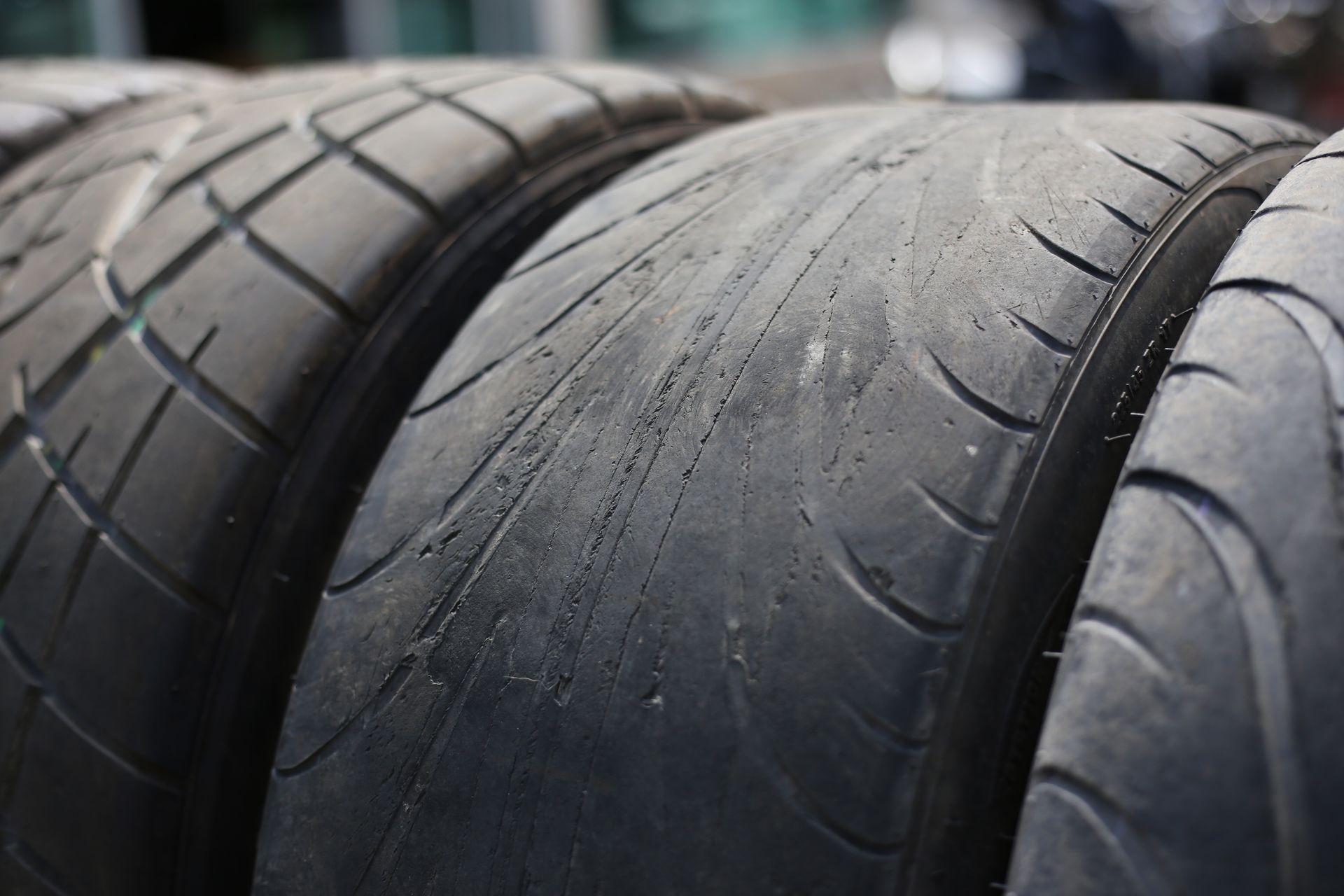
A wiper blade needs even contact with the glass to clear water. Over time, heat, sunlight, road grime, and repeated wiping wear the rubber edge. It hardens, cracks, or develops tiny nicks that leave thin lines behind. Blades that chatter or skip across the windshield often have worn wiping edges or uneven contact pressure.
Does one narrow streak always mean the rubber is worn out? No. A streak doesn't automatically mean the blade needs replacing. Wax, tree sap, oily road film, or a dirty windshield leaves residue even with good rubber. We look for contamination and inspect the blade edge before recommending replacement. If the windshield has scratches or rough spots, a new blade might still make noise until the glass issue is addressed.
How to Pick the Correct Wiper Blade Size and Connector
The left and right windshield wiper blades aren't always the same length. Some vehicles also use an unusual connector or a rear wiper with its own design. The owner's manual, a manufacturer fitment guide, or the vehicle identification information provides the correct replacement specifications. Matching a blade by appearance alone invites a poor fit.
What happens if a blade is too long? It may strike the windshield trim, the other blade, or an area of glass the wiper arm wasn't designed to reach. A blade that's too short leaves more water in your field of view. We confirm length, arm type, and connector style before installation. Avoid forcing a universal adapter that doesn't lock securely onto the wiper arm.
Conventional, Beam, and Hybrid Windshield Wiper Blades
Traditional framed blades use a series of support points to distribute pressure along the rubber. Beam-style blades use a flexible, curved structure without an exposed metal frame. Hybrid designs combine features of both. Each type has versions intended for different windshield shapes and weather conditions, so the more expensive option isn't automatically the best choice.
Los Angeles drivers deal with intense sun, dusty roads, and long dry periods between storms. Heat-resistant rubber or silicone-style wiping materials appeal to some owners, but fit and quality remain the priorities. A premium blade installed with the wrong connector performs poorly. If the original setup uses a special aerodynamic design, follow the manufacturer's compatible options.
When Cleaning the Glass Is Better Than Replacing the Blades
Before removing the blades, clean the windshield with a glass product designed for automotive use. Carefully lift the arms as the vehicle instructions allow, then wipe the rubber edges with a damp soft cloth. Grit caught along a blade sometimes creates a single persistent streak that disappears after cleaning. Do not use abrasive pads on the wiping edge.
If cleaning restores clear wiping, replacement can wait until the blades actually deteriorate. We also inspect the washer spray pattern and washer fluid level when a driver reports poor visibility. A blocked nozzle or incorrect washer fluid makes the blades look ineffective even when the rubber is healthy. Persistent smearing after cleaning points back toward blade condition, glass contamination, or poor arm pressure.
How to Install New Windshield Wiper Blades Safely
Park the car, switch the wipers off, and consult the manual for the correct blade replacement position. Some modern vehicles need a service or maintenance mode because the arms are tucked under the hood edge. Carefully lift one arm, release the old blade using its connector tab or latch, and slide the replacement into place according to its instructions. Check that the attachment clicks or locks securely.
Keep a folded towel on the glass beneath the raised arm and never let an uncovered metal arm snap onto the windshield. The spring is strong enough to chip or crack glass. Replace one side at a time so you can compare the attachment and arm position. When the blade is secured, lower it gently. If the mechanism doesn't release easily, stop instead of pulling hard enough to bend the arm.
Signs the Wiper Arms or Washer System Need Repair
Fresh blades won't solve every visibility problem. A bent wiper arm fails to apply even pressure, while worn arm springs leave portions of the glass uncleared. Loose linkage creates abnormal movement or causes the blades to strike the windshield trim. If the motor stalls or the blades stop moving, electrical and mechanical testing should come before another blade purchase.
Look for these clues:
- Streaks that return after thorough glass cleaning
- Wipers skipping or chattering across the windshield
- A blade lifting away from part of the glass
- An arm that moves loosely or stops unexpectedly
Poor visibility in rain is a safety problem. Test the new blades with washer fluid while the car is parked, and confirm both sides clear their intended areas before heading onto the road.
How Often Should Windshield Wiper Blades Be Replaced?
There isn't a universal replacement date that fits every climate and blade material. The rubber's condition and wiping performance provide the best guide, with the vehicle and blade manufacturer's recommendations as a reference. Parked cars exposed to constant sun often need new blades sooner than vehicles kept in a garage. Don't wait for the first heavy rain to find out the blades are hardened.
If new wipers streak immediately, we check their fit, the glass, and arm movement before treating another new set as the solution. Good visibility comes from the entire wiping system working together. A few minutes spent selecting and installing the right blades makes the next unexpected downpour easier to handle.
Get Windshield Wiper Replacement and Visibility Service in Los Angeles, CA, With One Stop Auto Care
One Stop Auto Care in Los Angeles, CA, helps drivers choose properly fitting windshield wipers and checks washer operation, wiper arms, and blade contact when streaking continues. We'll make sure the replacement fits and clears the glass correctly.
Have the wiping system checked before the next rainy commute.