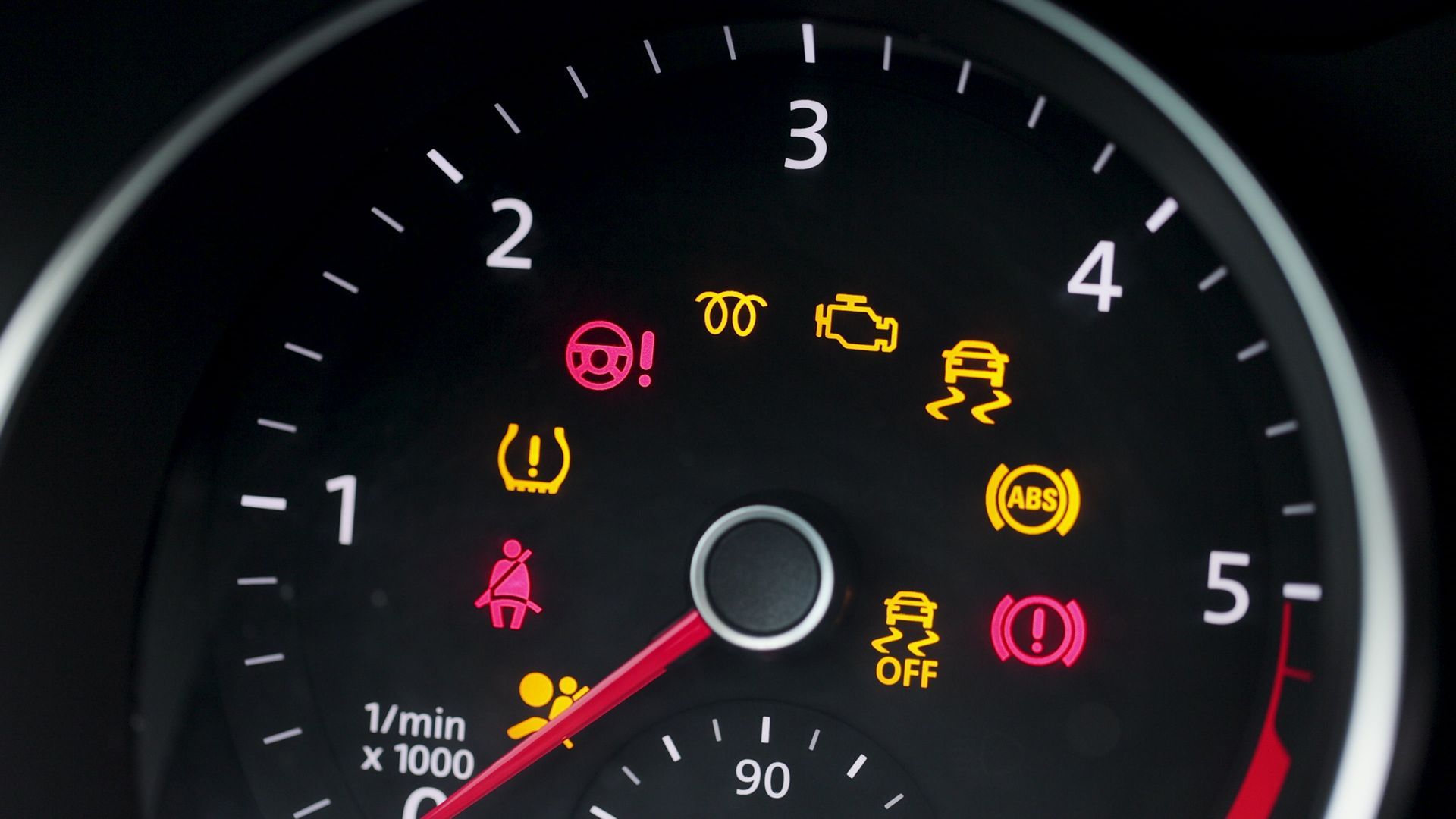
The battery light can be misleading because it does not always mean the battery itself has failed. In many vehicles, that warning appears when the charging system is no longer supplying enough power. The engine may continue running for a while, but it is often operating only on the electricity stored in the battery.
That stored power is limited. Once it runs out, the engine can stall, the lights can dim, and important electrical systems may stop working. A battery light should be treated as a charging system warning, not as a reminder to replace the battery whenever it is convenient.
What The Battery Light Is Really Telling You
When the engine is running, the alternator should produce electricity for the vehicle and recharge the battery. The charging system includes the alternator, battery, drive belt, tensioner, cables, grounds, wiring, and voltage controls. If the system voltage drops too low or rises outside the expected range, the battery symbol may appear on the dashboard.
A weak battery can contribute to electrical problems, but the warning often points to the alternator or to something preventing it from charging properly. Replacing the battery without testing the full system may only provide temporary power before the new battery also becomes discharged.
How Long Can The Car Keep Running?
There is no reliable estimate of how long a vehicle will continue running after the battery light turns on. A fully charged battery may keep the engine running for a short trip, while an older or partially discharged battery may run out of charge very quickly. Electrical demand also changes the outcome.
Headlights, cooling fans, windshield wipers, the cabin blower, heated seats, and audio equipment all use stored power. At night, during rain, or in heavy Los Angeles traffic, the battery may drain faster because more systems are operating. The safest choice is to head directly to a nearby repair facility or stop in a secure location.
A Failing Alternator Is A Common Cause
The alternator creates electrical power while the engine runs. Internal bearings, brushes, diodes, voltage regulators, and windings can wear or fail. An alternator may stop charging completely, or it may produce weak and unstable output before failing altogether.
Early symptoms can include dim headlights, slow power windows, warning messages, a whining sound, or lights that change brightness with engine speed. Some alternators fail only after heating up, which can cause the warning to disappear and then reappear during the same drive.
The Drive Belt May Be Loose Or Broken
Many alternators are turned by the serpentine belt. If that belt breaks, slips, or comes off a pulley, the alternator cannot generate electricity. A weak tensioner, damaged pulley, oil contamination, or worn belt can all cause the drive system to fail.
On many vehicles, the same belt also operates the water pump. If the belt stops turning the water pump, the engine can overheat quickly and lose charging power. A battery light joined by rising engine temperature, squealing, or heavy steering should be treated as an urgent problem.
Loose Cables And Poor Grounds Can Interrupt Charging
The alternator may be producing power, but that electricity still has to travel through cables and connections. Corroded battery terminals, loose clamps, damaged wiring, or a poor engine ground can interrupt current flow and trigger the warning.
These connection problems can also cause intermittent starting, flickering lights, or electrical systems that behave strangely over bumps. A visual inspection may reveal obvious corrosion, but voltage-drop testing is often needed to detect resistance hidden within a cable or connection.
Electrical Symptoms Can Get Worse Quickly
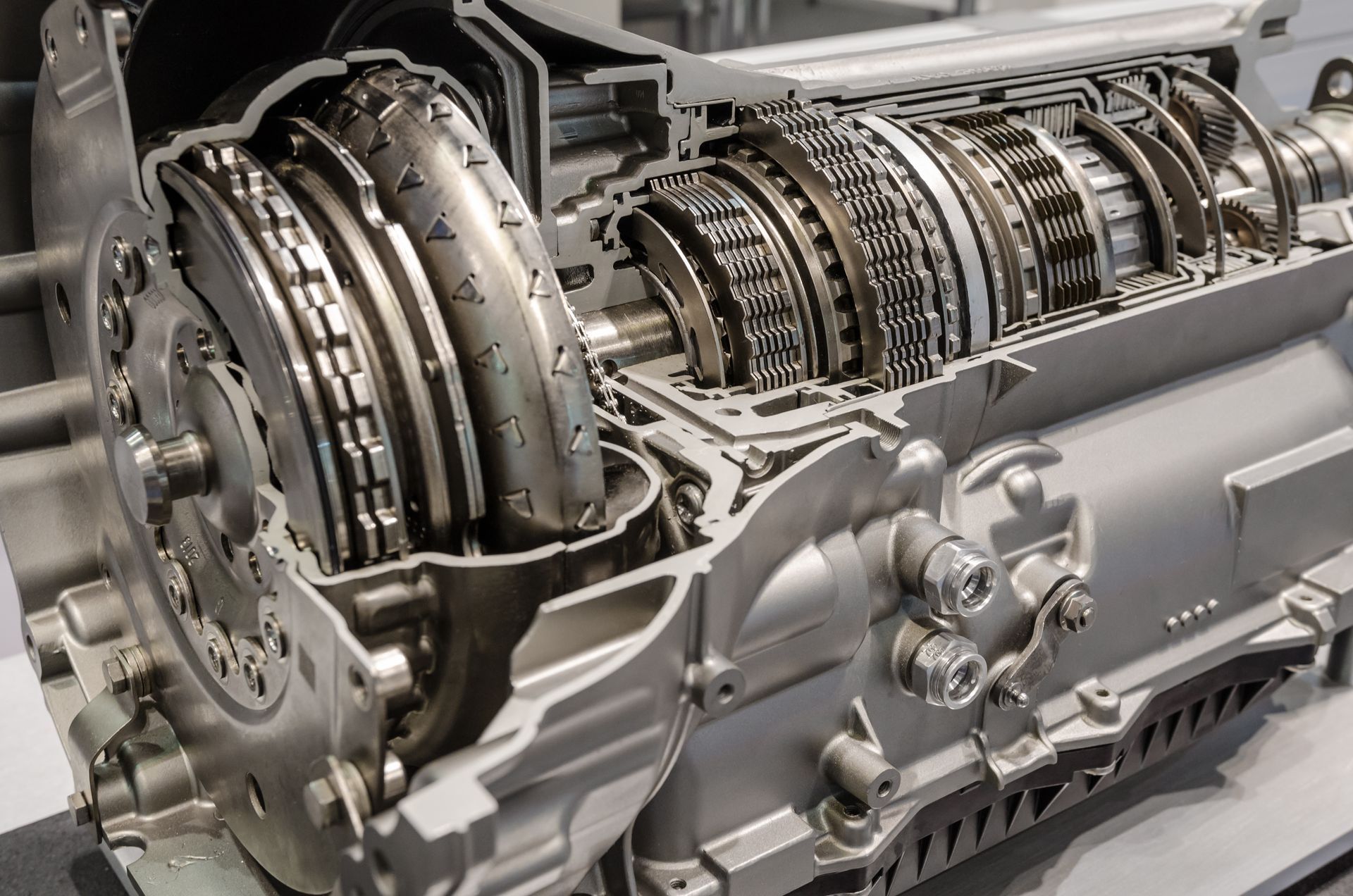
As battery voltage drops, modern vehicles may begin shutting down nonessential features. The A/C blower may slow, screens may turn off, warning lights may appear, and the transmission or steering can behave differently. These symptoms occur because many control modules require a stable voltage to operate correctly.
You may notice the engine running roughly or the accelerator responding differently just before the vehicle stalls. Once the battery is too weak to power the ignition, fuel system, and engine computer, the engine will stop. It may not restart even after a short wait.
Warning Signs That Mean You Should Stop
- The battery light is joined by an overheating warning or rising temperature gauge.
- The headlights or dashboard lights become very dim.
- You smell burning rubber or hear loud belt squealing.
- Several warning lights appear at the same time.
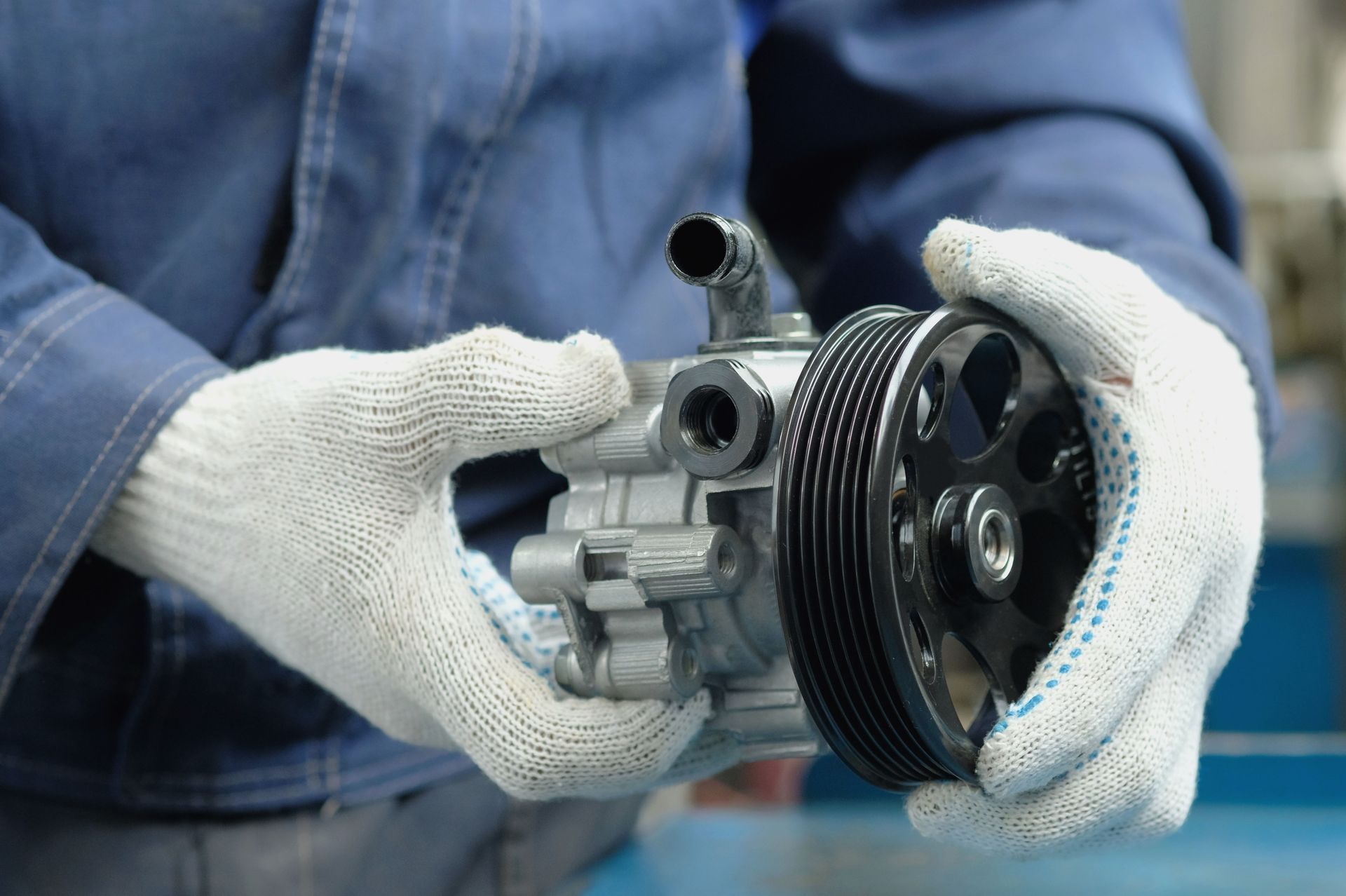
- The steering suddenly feels much heavier.
- The engine begins losing power or running unevenly.
- Smoke appears from the engine compartment.
These signs suggest the problem is progressing or another belt-driven system has stopped working. Pull over safely, shut the engine off, and arrange assistance rather than trying to reach a distant destination.
Why Turning The Engine Off Can Leave You Stranded
Drivers sometimes stop to inspect the vehicle and then discover it will not restart. If the alternator has stopped charging, every minute of driving has been draining the battery. The starter draws a large current, so a battery that can keep the engine running may not have enough energy to crank it again.
If the vehicle is operating normally and a repair shop is very close, keeping the engine running until you arrive may prevent a restart problem. Do not ignore overheating, smoke, belt noise, or heavy steering just to avoid shutting it off. Safety comes first.
How The Charging System Is Tested
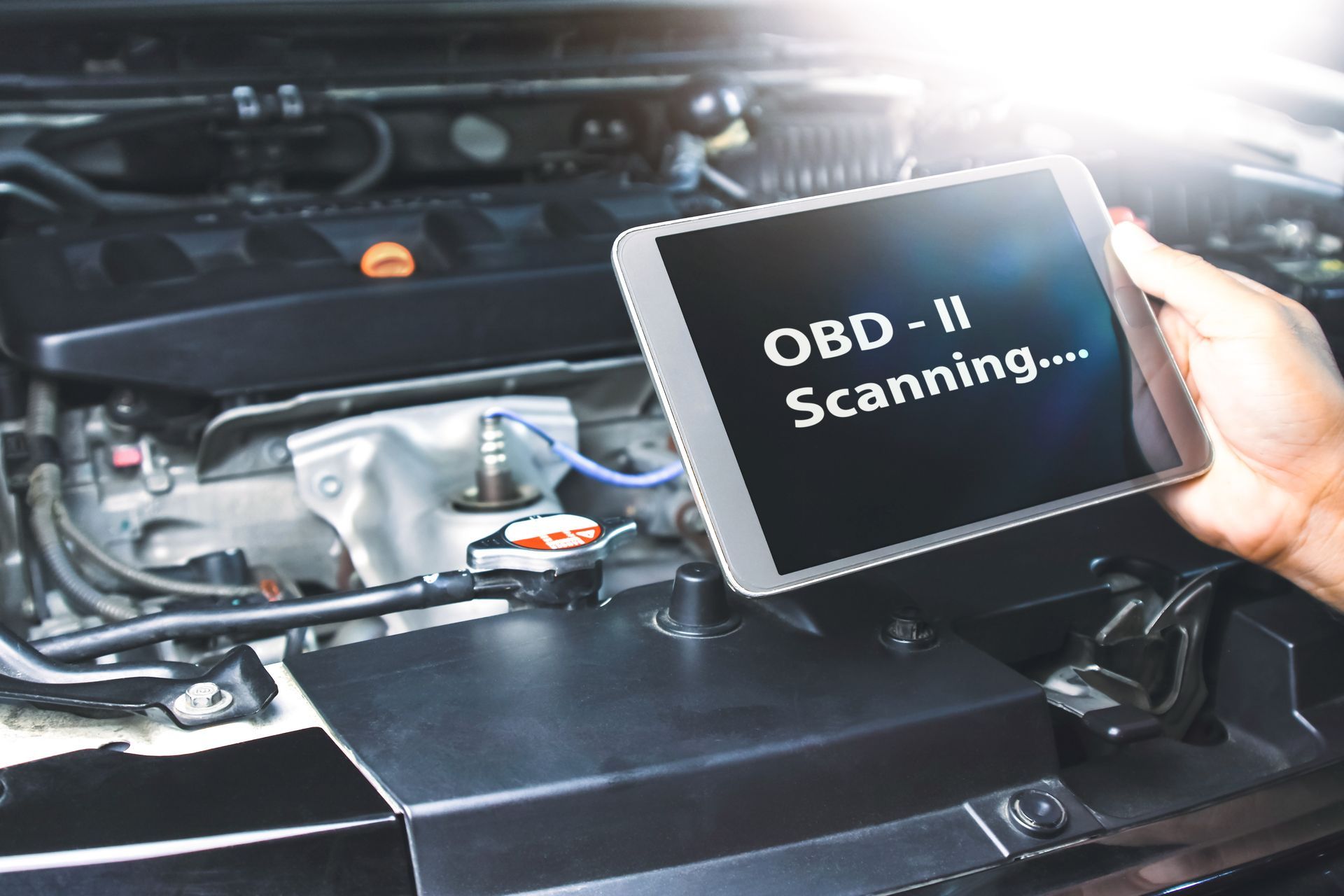
A proper inspection checks battery condition, alternator output, system voltage, cables, grounds, belt condition, tensioner operation, and stored fault information. The battery should be tested separately because repeated deep discharge can damage it even when the alternator caused the original problem.
Regular maintenance can catch cracked belts, weak batteries, corroded terminals, and poor charging output before the warning appears. Testing the entire system prevents a good battery from being replaced for an alternator problem or a good alternator from being blamed for a damaged cable.
Get Battery Light Diagnostics In Los Angeles, CA, With One Stop Auto Care
If the battery warning light is on, One Stop Auto Care in Los Angeles, CA, can test the alternator, battery, drive belt, tensioner, cables, grounds, and charging system.