An alternator often lasts for many years and tens of thousands of miles, but it has no universal replacement deadline. AutoZone gives a broad service-life range of about eighty thousand to one hundred fifty thousand miles, depending on use. Some last longer, while heat, contamination, and mechanical problems shorten others' lives.
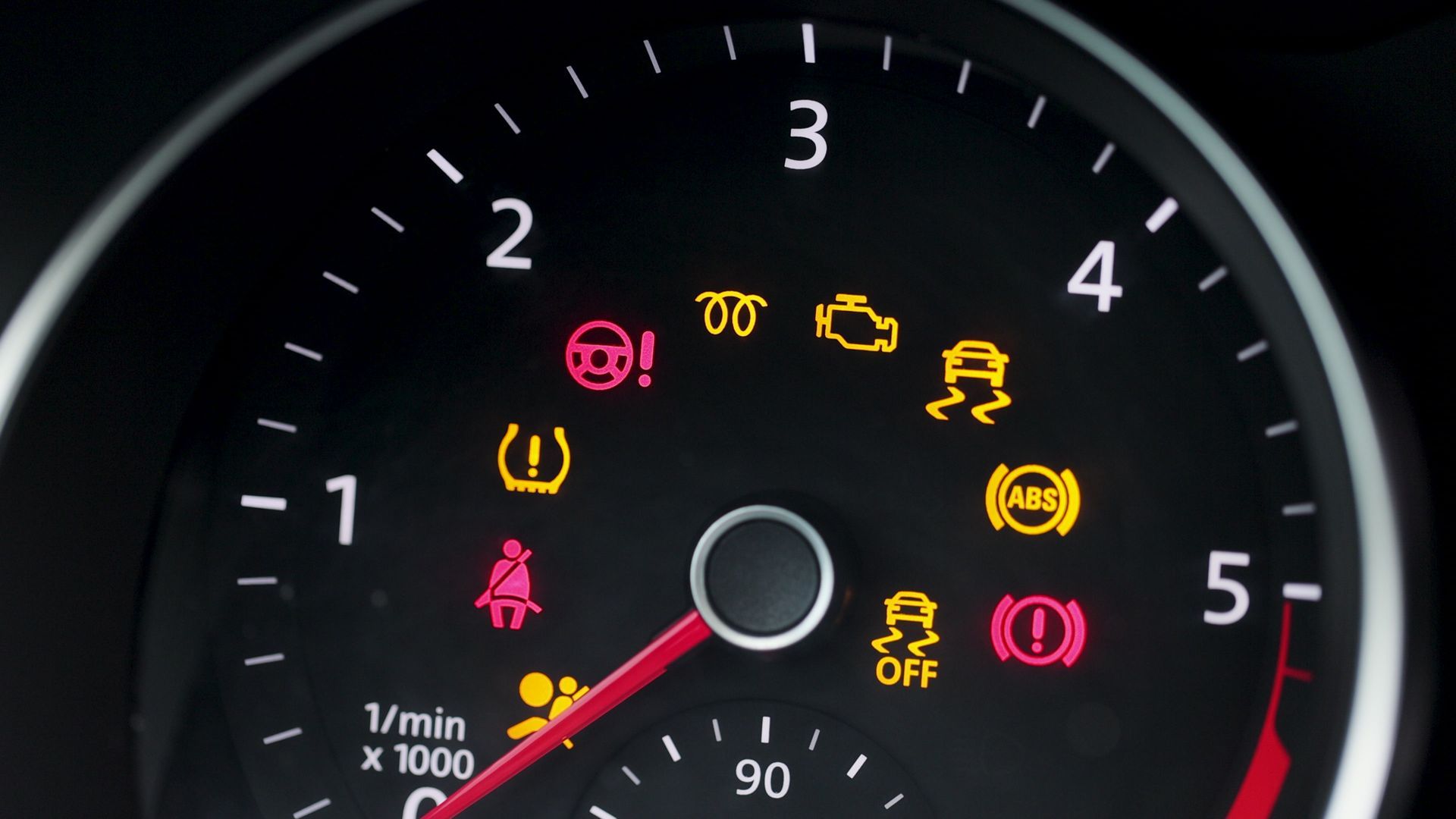
Mileage helps you plan, but charging performance tells you whether the alternator needs attention now. A charging warning, a battery that repeatedly goes flat, or a new whine around the belt deserves checking. Waiting for an arbitrary mileage deadline leaves an active fault to drain the battery in the meantime.
For perspective, eighty thousand to one hundred fifty thousand miles takes about eight to fifteen years at ten thousand miles a year. At twenty thousand miles annually, it's four to seven and a half years. Use those figures as context, then base replacement on the test results and your alternator's actual condition.
How an Alternator Works and Wears Out
On a conventional vehicle, the engine drives the alternator through an accessory belt. The alternator converts that mechanical movement into electricity for the vehicle's electrical loads and helps replenish the battery after starting. The battery and alternator share the workload, but in different ways. The battery supplies stored energy; the alternator generates energy while the engine turns. If generation drops below what the vehicle needs, the battery begins supplying more of the difference.
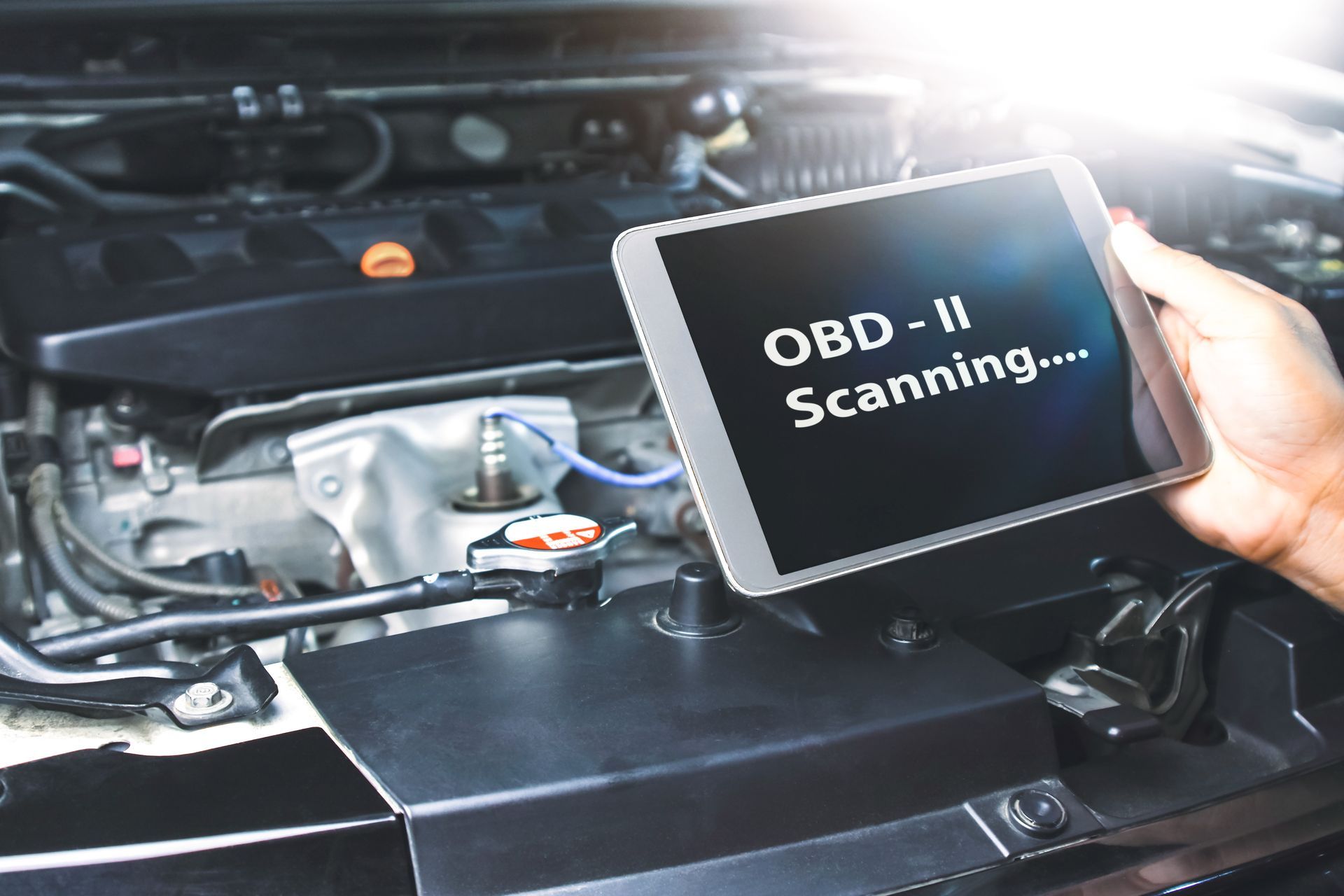
Modern charging systems adjust output as demand and operating conditions change. That makes one voltage reading at idle an incomplete check. The technician follows your vehicle's test procedure and looks at battery condition, electrical load, and charging commands to find out whether the alternator is doing its job.
Bearings allow the alternator to spin smoothly. Brushes and other internal components support electrical generation, while diodes and regulation hardware help produce and control the output. Wear or failure in any of those areas changes its operation. A failing bearing may create a whine or grinding sound that changes with engine speed. An electrical fault may reduce output or create unwanted electrical interference. The symptoms differ, so the inspection needs to identify which part of the system is failing.
A nearby oil leak or damaged belt can shorten an alternator's life. Check those causes during replacement so the new unit starts with a clean, properly driven installation. The estimate should explain any related belt, tensioner, or leak repair and why it belongs with the charging work.
What Happens When the Alternator Stops Charging
With poor charging, the car starts using stored battery energy to cover electrical demand. That supply eventually runs low. The timing depends on the battery and the loads you switch on, so get a charging warning checked promptly instead of trying to guess how many more miles the car will manage.
As voltage falls, you might see multiple warning messages, dim lights, malfunctioning accessories, or rough engine operation. Eventually, the engine may stall and refuse to restart. That sequence is especially inconvenient in Los Angeles traffic, where losing power can leave you without an easy place to stop.
Treat a charging warning promptly. If the vehicle develops serious electrical symptoms, pull over safely and arrange help. A belt failure needs special attention because the same belt may drive other important engine components.
Battery and Alternator Symptoms to Compare
A car that needs a jump-start might have a discharged battery, an aging battery, weak charging, or an electrical drain while parked. The alternator is one possibility, and testing helps separate it from the others.
Before an alternator check, note:
- Any charging warning that appears while driving
- How long the car sits before needing a jump
- New whining or grinding around the accessory belt
- Recent battery replacement or electrical work
Skip the old advice to disconnect a battery cable while the engine runs. That test risks damage to modern electronics. Charging measurements under the right conditions give a much better answer and help separate a failed alternator from a loose connection or another circuit problem.
What Alternator Testing Checks
The technician checks battery condition and charge, connections, belt drive, and charging output. Measuring voltage losses through cables and grounds helps find resistance that keeps generated power from reaching the battery properly.
The vehicle's charging controls and electrical demand also influence the test. A healthy alternator with a damaged connection needs a different repair than an internally failed unit. The findings should explain which problem is present.
Repeatedly draining the battery can damage it, so test its performance as well as the alternator. Restored charging may let a healthy battery recover; an aging or badly weakened one still needs replacement. The estimate should explain the findings for each component so you understand why both are recommended when necessary.
Replacing the Alternator and Checking Charging
The replacement needs the correct fit and electrical capacity for the vehicle. Access and installation labor vary by engine layout, and related belt or tensioner work depends on inspection findings.
After installation, the charging system should be checked under the vehicle's required conditions. This verifies the new unit, connections, and controls work together. A remaining warning or abnormal reading deserves attention before the repair is considered finished.
Keep the service record and note any related repairs. If the battery later loses charge only while parked, that pattern points toward a different investigation from weak output while driving. A clear history helps the next visit begin in the right place.
Alternator Repair and Replacement at One Stop Auto Care
One Stop Auto Care in Los Angeles, CA, can help with alternator testing and replacement when charging symptoms appear. Mention whether the battery goes flat while parked or the warnings start during a drive. That distinction helps us review the charging and electrical checks your vehicle needs.
Schedule alternator service with
One Stop Auto Care before weak charging leaves you relying on a drained battery.