You can have a car that runs perfectly well, has no check engine light, and still fails or cannot complete a California Smog Check after the battery was disconnected. The reason has less to do with the battery itself and more to do with what happens inside the engine computer when you lose electrical power.
Disconnecting or replacing the battery can reset emissions information that the computer has collected while you drive. Until the vehicle runs its required self-tests again, the emissions system can show that it is not ready for inspection. California's Bureau of Automotive Repair specifically advises drivers who recently disconnected or replaced a battery to allow enough driving for the readiness monitors to reset before a Smog Check.
Battery Disconnects Reset the Readiness Monitors
Modern vehicles have onboard emissions monitors that continuously check systems such as the catalytic converter, oxygen sensors, fuel control, misfire detection, and evaporative emissions equipment.
These tests are called readiness monitors. When you disconnect the battery, the computer can lose the completed results of those tests and return several monitors to a not ready status. The car then needs to operate under the right conditions so the computer can run those checks again. Nothing necessarily broke when the battery was disconnected. The computer simply needs fresh information.
No Check Engine Light Does Not Mean the Car Is Ready
This catches many drivers off guard. They replace a battery, start the vehicle, see no warning lights, and assume it is ready for the Smog Check.
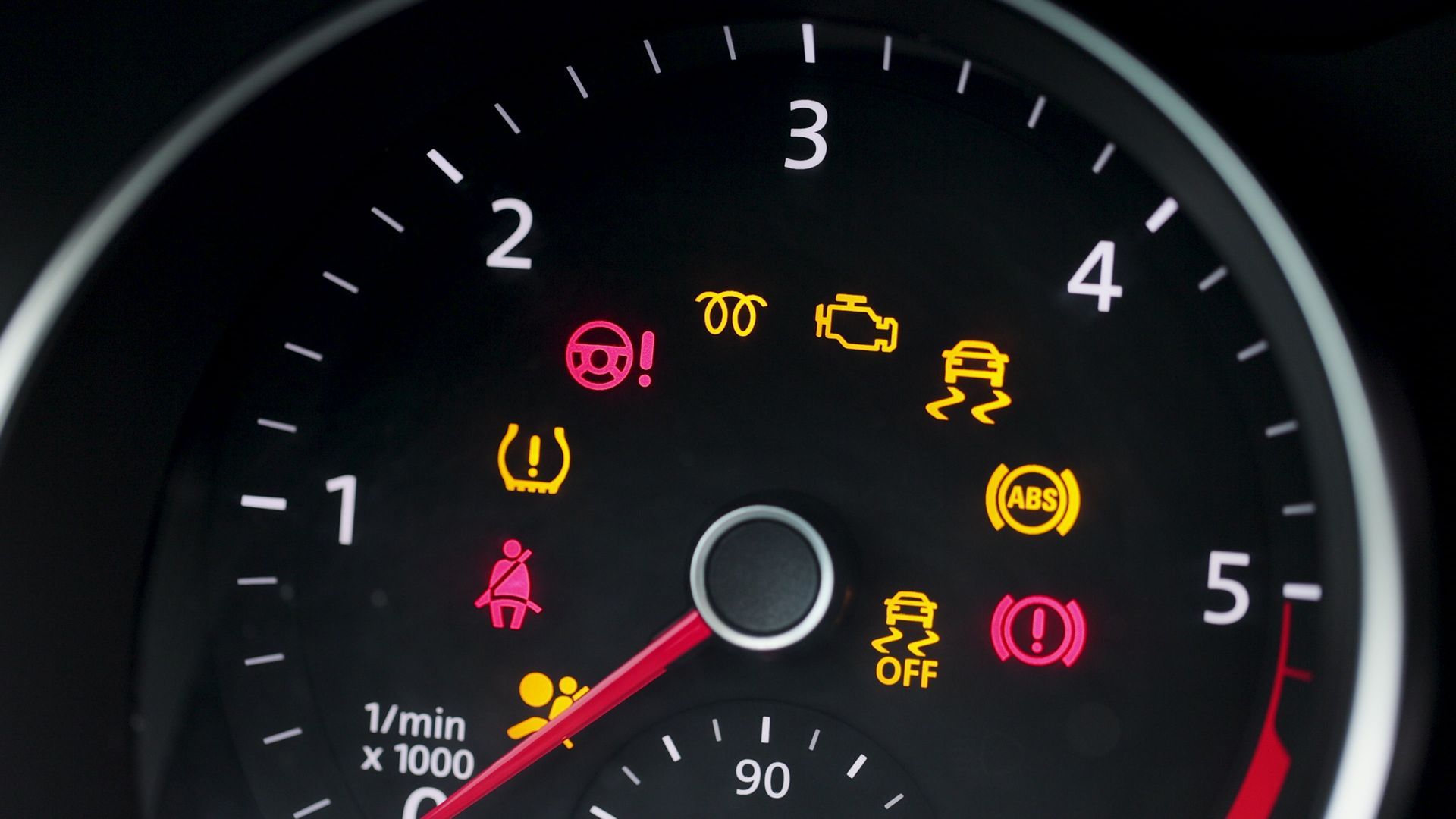
The check engine light and readiness monitors tell us different things. A light that is off means the computer is not currently commanding the malfunction indicator lamp on. Readiness status tells us whether the computer has completed the required emissions self-tests since its information was reset. A vehicle can have no warning light and still have several monitors waiting to run.
The Monitors Need Specific Driving Conditions
Simply starting the engine and letting it idle in the driveway will not complete every monitor. Different self-tests need different operating conditions before the computer will run them.
Depending on the vehicle, those conditions can include:
- Starting after the engine has cooled
- Driving at a steady road speed
- Accelerating under moderate load
- Coasting without pressing the accelerator
- Reaching full operating temperature
- Driving at different speeds
- Sitting parked for a certain amount of time
That combination is commonly referred to as a drive cycle. The exact sequence varies by manufacturer and engine, so copying a generic drive cycle from another vehicle doesn't always work.
One Trip Around the Block Usually Is Not Enough
Some monitors complete quickly. Others can take several trips because the vehicle has to see a very particular combination of temperature, speed, fuel level, and operating time.
The evaporative emissions monitor is a good example. It can depend on fuel level and outside conditions, so filling the tank completely and immediately taking one long drive does not guarantee every test will finish. California BAR notes that readiness completion can require particular operating conditions and recommends allowing driving time after a battery disconnect.
Clearing Codes Right Before the Test Can Backfire
Sometimes a driver clears a check engine light shortly before a Smog Check, hoping turning the light off will solve the problem. Clearing fault information with a scan tool can reset readiness monitors much like disconnecting the battery.
That leaves you with a dashboard that looks better, but an emissions computer that hasn't finished checking itself. If the original problem is still present, the related fault may also return once the monitor finally runs. Fixing the cause first is much better than repeatedly clearing the light and restarting the readiness process.
Permanent Trouble Codes Work Differently
Newer vehicles can also store permanent diagnostic trouble codes after certain emissions faults. Unlike ordinary stored codes, these are designed so they can't be erased by disconnecting the battery or clearing codes with a scan tool.
The vehicle must confirm through its own monitoring that the original problem has been corrected before the permanent code clears, according to the system's criteria. California includes permanent codes in Smog Check requirements for applicable vehicles, so disconnecting the battery is not a shortcut around an emissions repair.
Check Readiness Before Going for the Official Smog Check
If the battery was recently replaced, went completely dead, or was disconnected during repairs, checking monitor status before the official test can save you an unnecessary trip.
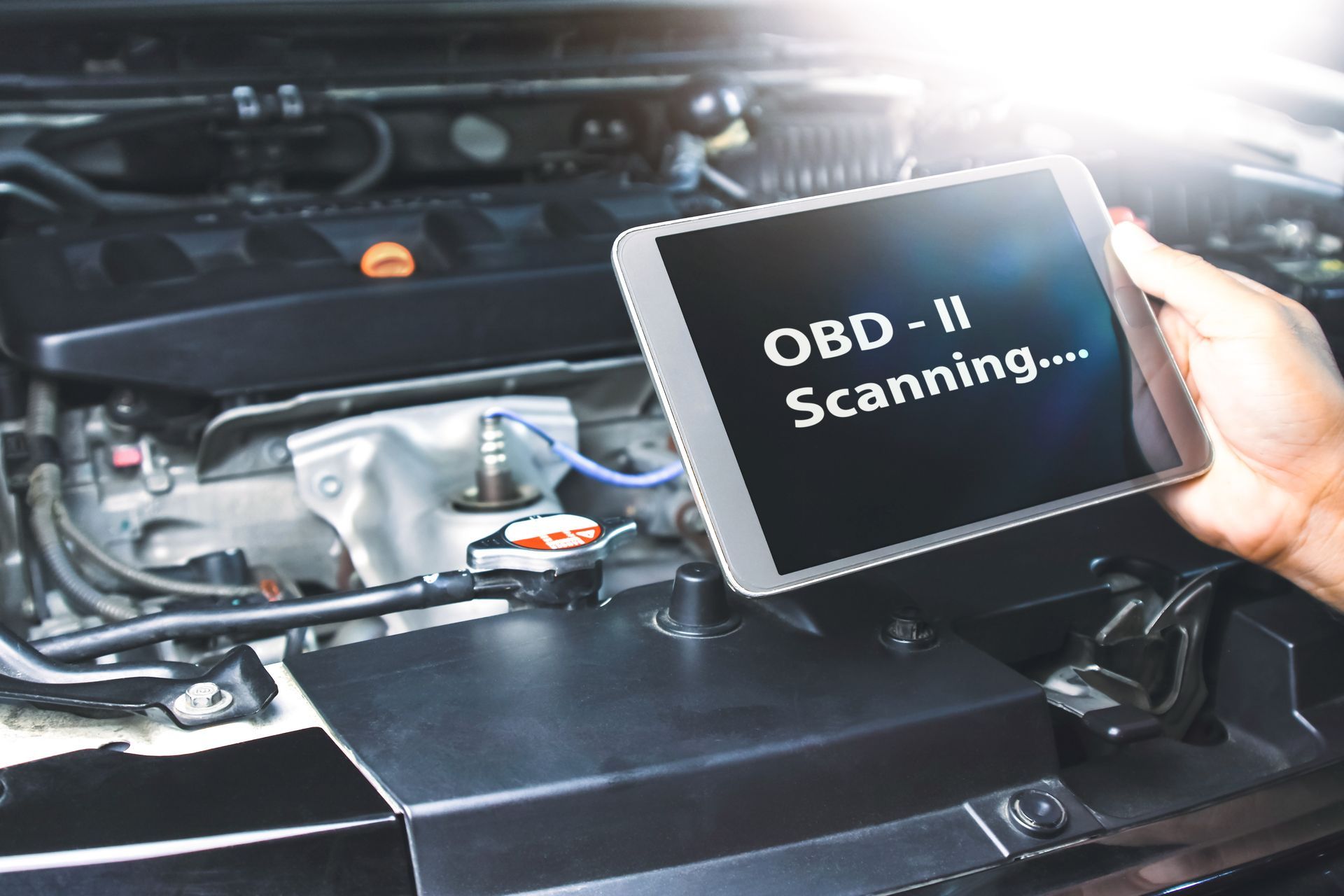
At our shop, we can see which monitors have completed and which ones are still waiting. If one refuses to set after plenty of normal driving, that can point to an emissions-system problem preventing the computer from completing its test. An inspection of the related system can then determine what is holding it up.
Regular maintenance also helps because an engine with unresolved fuel, ignition, sensor, or evaporative-system problems can have difficulty completing its monitors successfully.
Get California Smog Check Help In Los Angeles, CA, With One Stop Auto Care
If your battery was recently disconnected or replaced and you are preparing for a California Smog Check, One Stop Auto Care in Los Angeles, CA, can check your vehicle's readiness status and determine whether it needs more drive time or attention to an emissions problem.