Tires rarely announce they’re done with one obvious moment. More often, they fade out little by little. The ride gets noisier, the steering feels slightly different, and wet roads start demanding more attention than they used to.
If you’ve been putting off tires because they still look okay from ten feet away, these seven signs will help you decide whether it’s time. Pay attention to the pattern, not just one symptom, because tires can age and wear in ways that are easy to miss.
1. Your Tread Depth Is Getting Too Low
Low tread is the classic reason tires need replacement, and it matters most in the rain. A shallow tread cannot move water out from under the tire as well, which increases the chance of sliding during braking or lane changes. Even if you drive carefully, you have less traction in the moments when you need it most.
If you do not have a tread gauge, many tires have built-in wear bars in the grooves. Once those bars are close to level with the tread, the tire is telling you it’s near the end of its useful life.
2. You See Uneven Wear Across The Tire
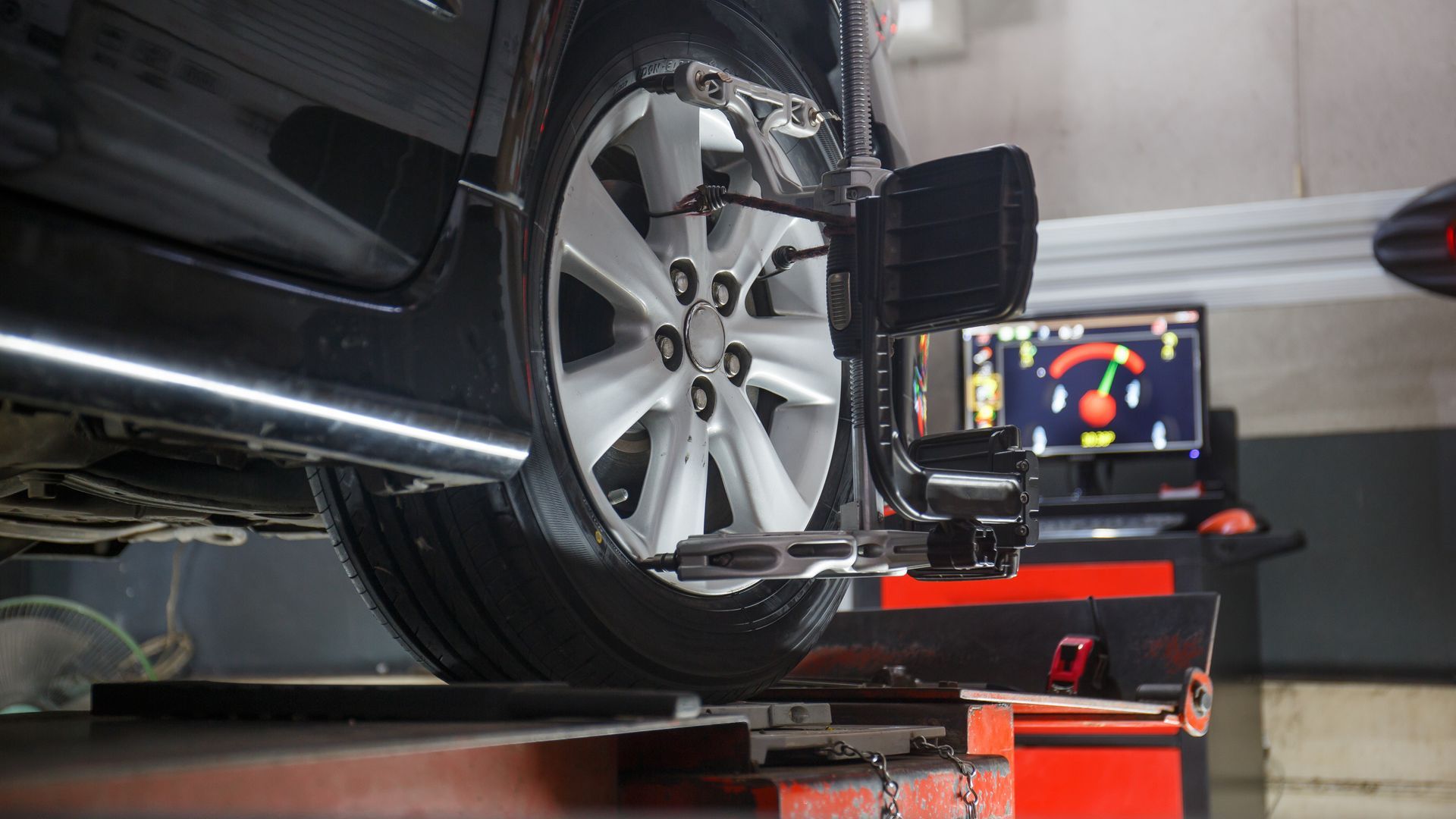
Tires should wear fairly evenly across the tread. If one edge is wearing faster, or the center is wearing faster than the edges, something is off. Uneven wear can be caused by alignment issues, suspension wear, or tire pressure that has been too high or too low for a long time.
This is a cost issue as much as a safety issue. If you replace tires without addressing the reason they wore unevenly, the new set can wear out early too.
3. Your Car Feels Less Planted On Wet Roads
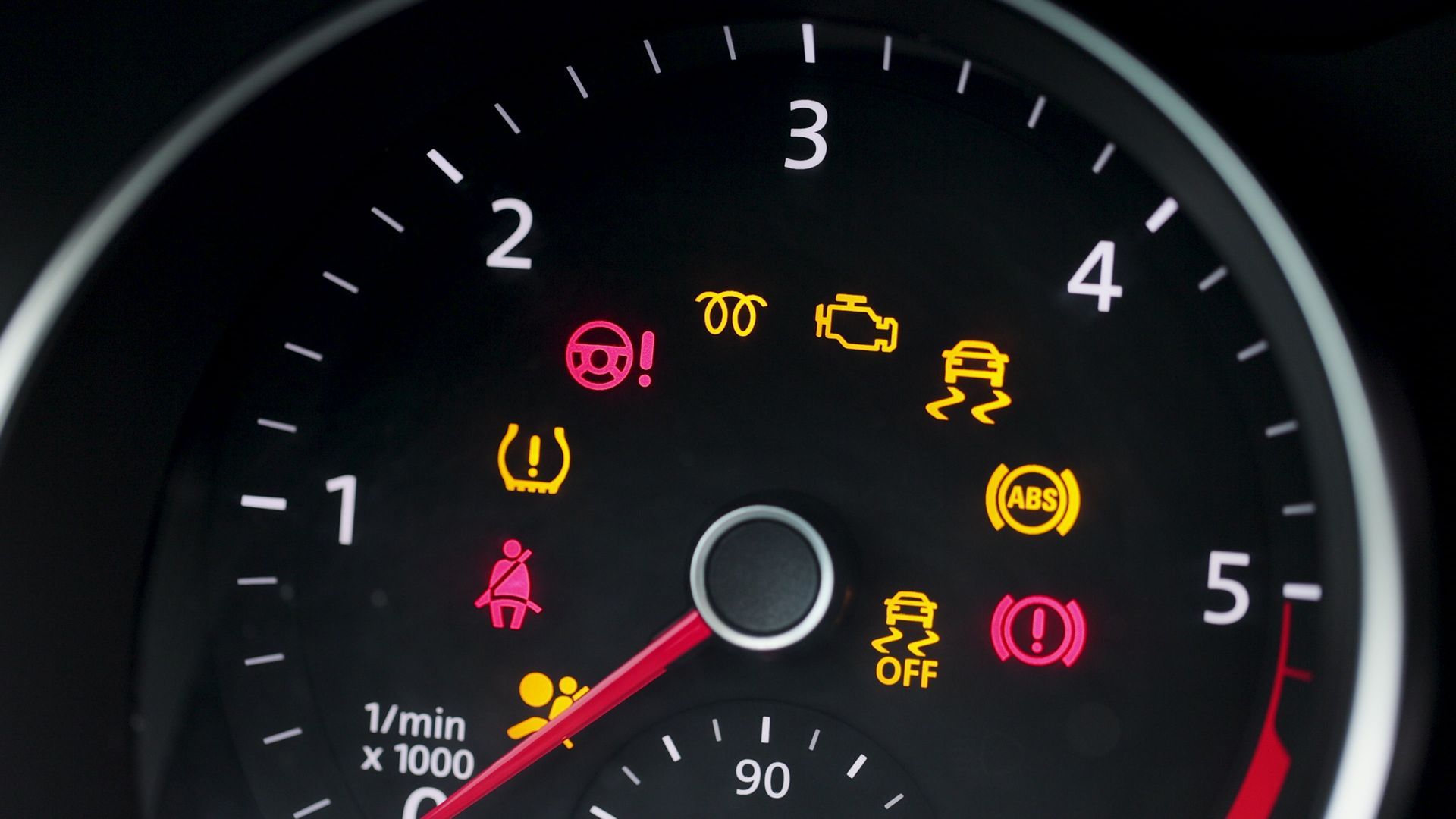
A tire can still perform poorly in the rain even with some tread left if the rubber has hardened with age or heat cycles. The earliest clue is usually confidence. You notice longer stopping distances, the traction control light is more active than it used to be, or the car feels skittish in standing water.
We see this a lot with drivers who do mostly freeway miles and assume the tires are fine because they are not bald. Wet-road grip is often the first thing to fall off when a tire is past its prime.
4. The Tires Are Getting Noisier Over Time
Tire noise tends to creep up, so it can be hard to notice until it becomes obvious. A steady hum, a droning sound at certain speeds, or a roar on specific road surfaces can point to tread wear patterns that are no longer even.
Sometimes the noise is from cupping or feathering, which can come from worn shocks, worn suspension parts, or alignment problems. If the noise changed after you rotated tires and moved to a different corner, that’s another clue the wear pattern is uneven.
5. You Feel Vibration That Was Not There Before
Not every vibration is tires, but tires are a common cause. A vibration in the steering wheel at highway speed can come from an out-of-balance tire, a bent wheel, or tire damage. A vibration that changes with speed, then fades, often points toward balance or tire uniformity issues.
If the vibration started after hitting a pothole or road debris, take it seriously. Impacts can bruise a tire internally or bend a wheel just enough to create a shake that will not fix itself.
6. You Notice Cracks, Bulges, Or Other Sidewall Damage
Sidewalls do not get a second chance. Cracking can be age-related, and bulges usually mean the tire structure has been compromised. Cuts and punctures near the sidewall are also risky because that area flexes constantly.
- Look for signs like these during a quick walk-around:
- Fine cracking along the sidewall or near the tread edge
- A bubble or bulge that looks like a lump under the rubber
- A cut deep enough to show layers or cords
- A nail or screw close to the sidewall, even if it is holding air
Any one of these is a strong reason to have the tire inspected promptly. A bulge, in particular, is not something you want to drive on for long.
7. Your Tire Age Is Catching Up, Even If The Tread Looks Okay
Tires age out as well as wear out. Heat, sun, and time harden the rubber and weaken the structure. That can happen even if you drive fewer miles each year. If you have an older vehicle, a spare that's been under the car for years, or a set of tires that looks decent but is getting up there in age, it’s worth checking the sidewall date code.
Our technicians often find older tires on low-mileage cars that feel fine in dry weather, then struggle when conditions change. That is the trap with age. It can hide until you need traction most.
Get Tire Service in Los Angeles, CA, with One Stop Auto Care
We can measure tread depth, check tire age and condition, and inspect wear patterns to determine whether you need tires now or can plan for them soon. We’ll also look for alignment or suspension issues that could wear out a new set early.
Call
One Stop Auto Care in Los Angeles, CA, to schedule tire service and get a clear, practical recommendation.