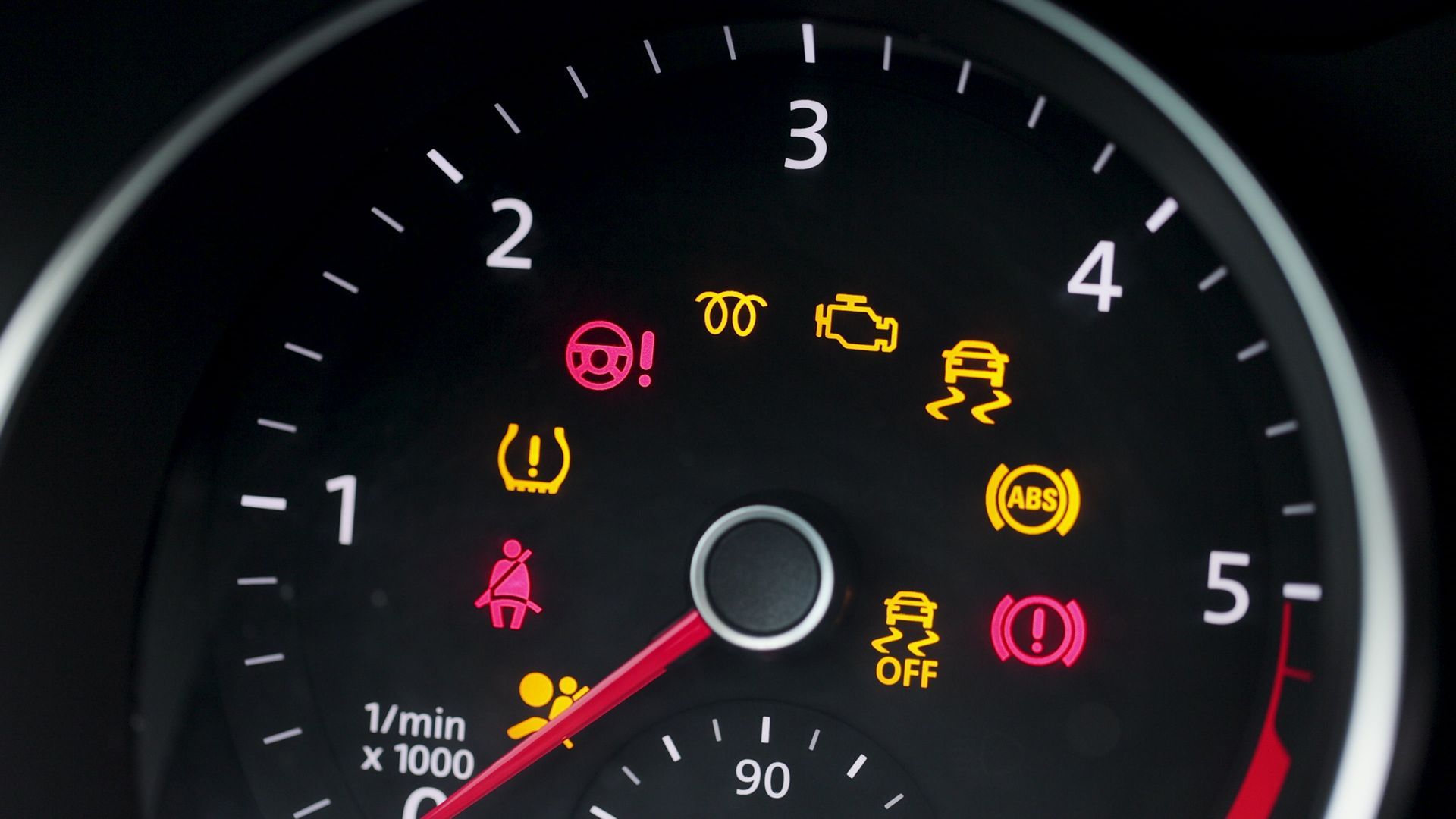
That little plug-in code reader can feel like the perfect shortcut. You see a warning light, pull a code, and it looks like the car just told you exactly what to fix. Sometimes that works out. Other times, the code is more like a clue than an answer, and chasing it can waste money fast.
The difference comes down to what the tool can actually see and what it cannot.
Why Code Readers Feel Helpful
Most drivers like code readers because they reduce uncertainty right away. You go from a vague warning light to a specific code name, and that feels concrete. We get it, because a light with no context is stressful, especially if the car still drives normally.
The catch is that a code often points to a system, not a failed part. A reader may say something like an oxygen sensor, but the real issue might be a small exhaust leak, an intake air leak, or a mixture problem that made the sensor report something unusual.
That is where people get stuck buying parts because the code sounded specific.
What A Basic Reader Can Tell You
A basic reader is usually good at pulling generic powertrain codes and showing whether a warning is active. That can help you decide whether to drive gently for a short time or schedule service soon. It can also help you notice patterns, like a code that returns after every fuel fill-up.
Here is what a basic reader can often provide in plain terms:
- The main code number and a general description
- Whether the check engine light is currently on or was stored in the past
- A rough idea of which system complained, like EVAP, misfire, or oxygen sensor
- The ability to clear the code, which is helpful only after the cause is fixed
That is solid information, but it is not the full picture.
Where Cheap Readers Often Mislead
Many readers do not show the deeper information that helps you confirm the cause. They may not show freeze-frame data, which is the snapshot of what the engine was doing when the fault occurred. They may also not display live data fast enough to see the sensor response, and they often cannot access manufacturer-specific codes.
Another common issue is wording. Some readers translate codes into descriptions that sound more certain than they really are. That can lead people to replace a sensor when the sensor was only reporting what it saw.
Clearing codes can also create headaches. If you clear the code, you can wipe useful clues and reset readiness monitors, which can complicate emissions testing. It can also make an intermittent issue harder to catch because the evidence is gone.
What A Full Computer Check Adds
A full computer check goes beyond the generic code list. It can read more modules, pull better context, and show live data in a way that helps verify what is actually happening. It is also how you catch problems that do not trigger a check engine light, like certain ABS, charging, or communication faults.
When our technicians do a full check, we are usually looking for three things: what set the code, what conditions were present, and whether the system is failing right now or only failed once. That is the difference between replacing parts and confirming the root cause.
It also helps when multiple systems share information. A warning light might be triggered by a voltage dip or a shared sensor signal, and a basic reader might never show that connection.
When To Scan And When To Stop Driving
If the light is steady and the car feels normal, scanning is a reasonable next step, and you can drive gently while you plan service. If the light is flashing, that is different, because it often indicates an active misfire that can overheat emissions components.
If you want a practical rule, use the scan to gather info, then follow it with an inspection if the code returns or if the symptoms are changing. Working this into regular maintenance helps too, because you catch small leaks and worn ignition parts before they become a repeat warning light cycle.
Get Computer Diagnostics In Los Angeles, CA, With One Stop Auto Care
One Stop Auto Care in Los Angeles, CA, can pull the full vehicle data, verify what is actually causing the warning, and walk you through the smartest fix without replacing parts blindly.
Book a visit and get the kind of answer that sticks.