Random warning lights usually mean one of two things: the vehicle is seeing unstable voltage, or one module is sending a signal that other systems cannot trust. Modern cars share information across multiple computers, so a single weak link can trigger several icons at once. The trick is separating a real system fault from a voltage or communication problem that makes everything look guilty.
That’s why patterns matter more than the number of lights.
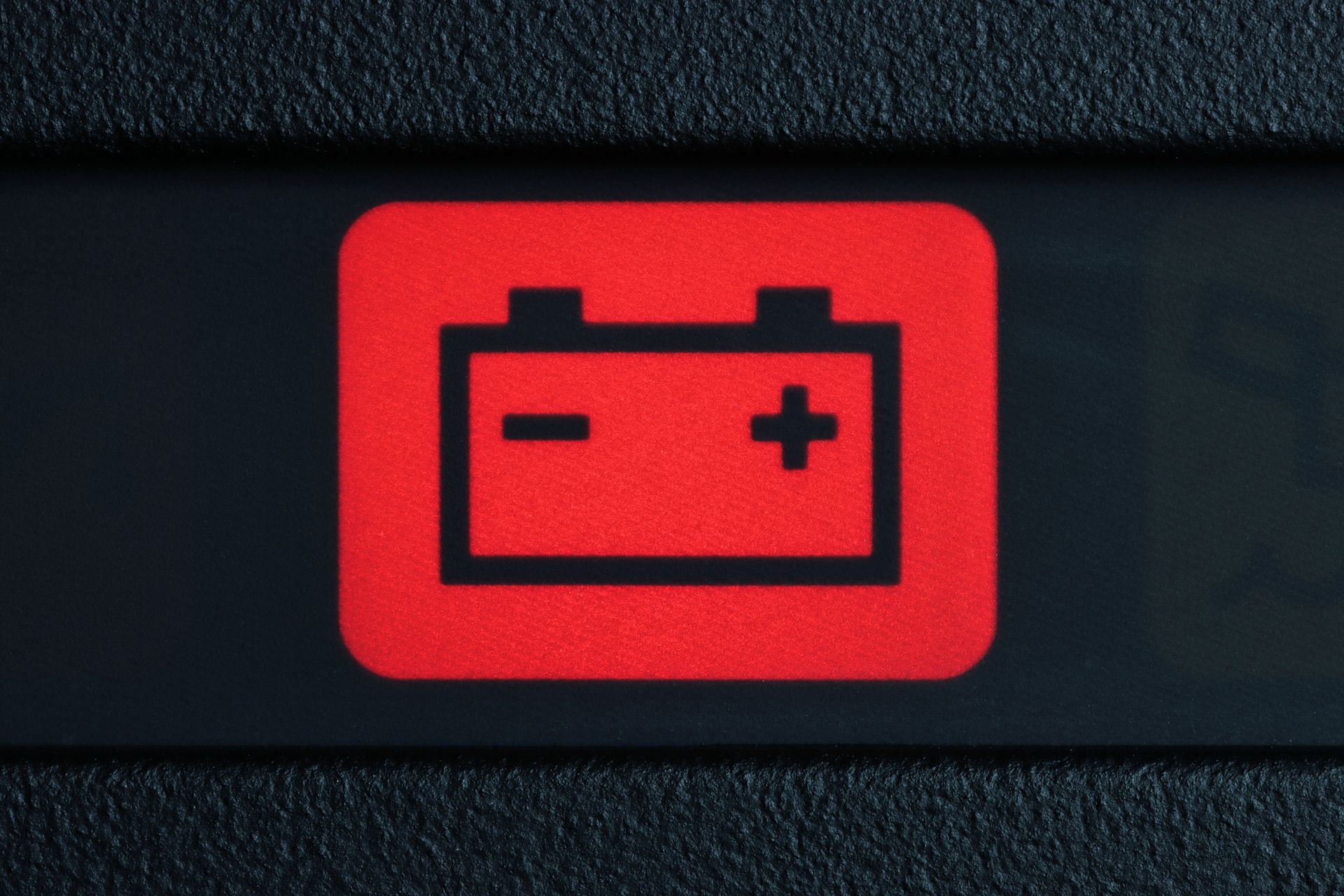
Weak Battery Or Low System Voltage
A battery can be weak even if the car still starts most mornings. When voltage drops during cranking or at idle with accessories on, control modules can reset or report implausible readings, which triggers warning lights that seem to come and go. This gets worse in cold weather, after short trips, or when the battery is near the end of its service life.
A few voltage-related clues show up often:
- Lights appear right after start-up, then clear after a few minutes
- Multiple warnings show at once, especially ABS, traction, and steering icons
- Interior lights dim briefly when you brake or use the turn signal
- The clock or radio presets reset unexpectedly
If you see that mix, the battery and charging voltage should be tested before anything else.
Alternator Or Voltage Regulator Fluctuations
An alternator that is undercharging or overcharging can make warning lights pop up with no obvious drivability change. The regulator’s job is to keep voltage steady, and when it hunts or spikes, sensitive modules react immediately. Some vehicles will also flicker lights, act strange at idle, or behave normally once you raise RPM.
This is one reason electrical issues can feel random. The alternator can look fine during a quick glance, then fall apart under load with the blower motor, headlights, and rear defrost running. Confirming the charging voltage under real load is the fastest way to sort this out.
Corroded Grounds And Battery Connections
Bad grounds create the same chaos as low voltage, and they’re incredibly common. A loose battery terminal, a corroded ground lug, or a tired engine ground strap adds resistance, which means modules do not get clean power or clean return paths. That can trigger lights that disappear after you hit a bump, shut the car off, or drive for a while.
Ground problems also create weird side effects that don’t match one system. You might get intermittent power steering warnings, airbag lights, or traction control messages that clear on their own. A careful check of connections is part of regular maintenance because it prevents these headaches before they start.
Failing Wheel Speed Sensor Triggering ABS And Traction Lights
Wheel speed sensors feed ABS and traction control, and a weak or dirty signal can light up multiple warnings at once. A sensor can fail outright, but more commonly, it gets contaminated, the tone ring is damaged, or the wiring near the wheel is compromised. When the signal drops out for a moment, the system protects itself by disabling features and turning on the lights.
You’ll often notice this tied to speed or turning. The lights may appear after you hit 20 to 30 mph, then clear when you restart the car. If the warning occurs more often on wet days or after driving through puddles, the condition of the wiring and connector near the wheel is a strong suspect.
Brake Light Switch Or Pedal Sensor Problems
The brake light switch is a small part with a big job. It tells multiple systems when you’re braking, not just the brake lights. If it sticks, misadjusts, or sends an inconsistent signal, you can get ABS, traction, stability, or cruise control warnings that don’t seem related to one another.
This issue can also show up as brake lights staying on, brake lights not coming on, or cruise control canceling unexpectedly. Because the brake switch signal is shared, one flaky input can ripple through several modules. It’s a simple part, but it can make the dashboard very noisy.
Steering Angle Sensor Or Yaw Sensor Out Of Calibration
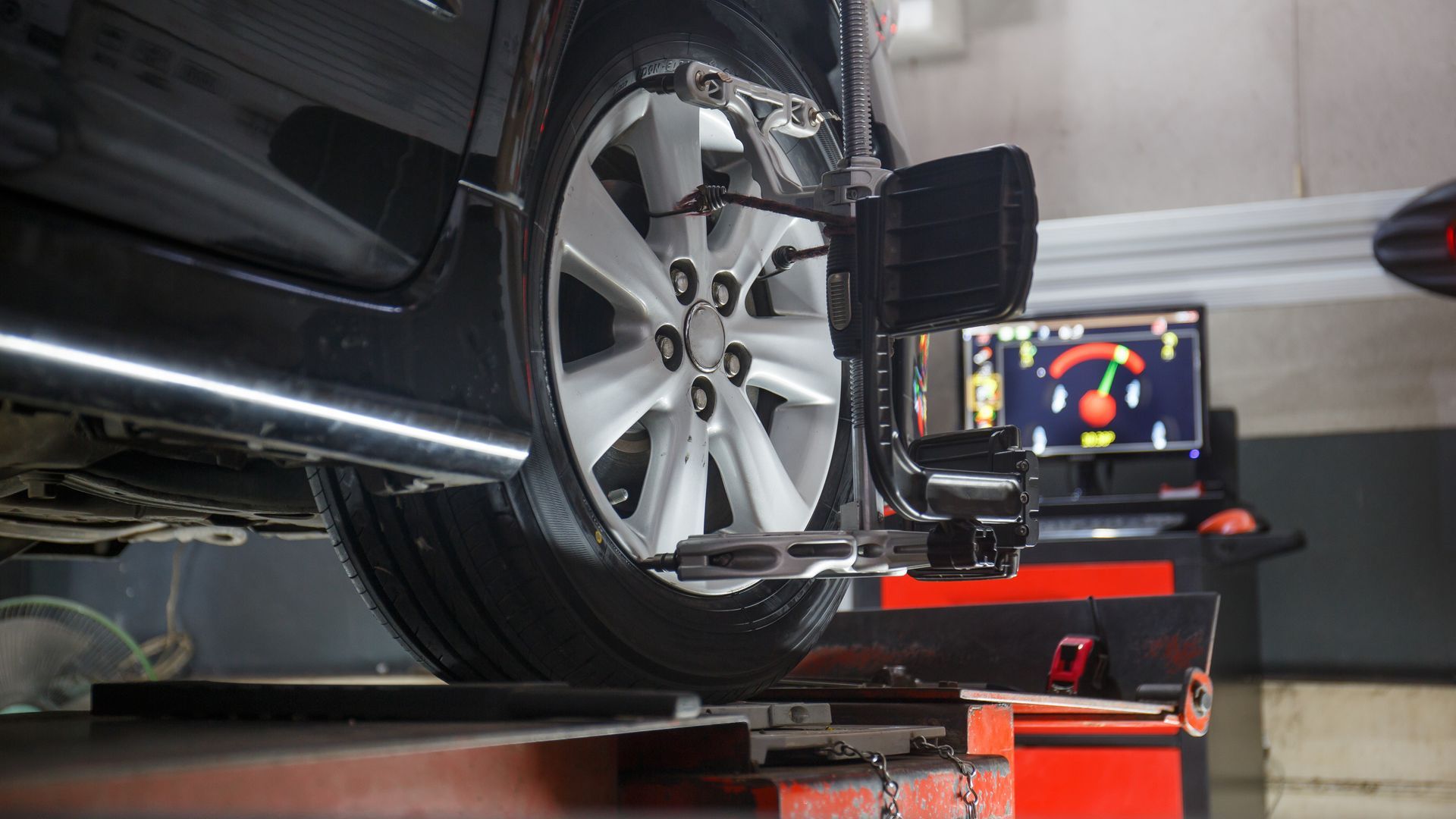
Stability control needs to know where the steering wheel is pointed and how the vehicle is rotating. If the steering angle sensor loses calibration, or the yaw sensor reports values that don’t match vehicle movement, the system will flag faults and may disable traction or stability features. This can happen after alignment work, battery disconnects, or low-voltage events.
The good news is that this is often correctable without replacing major parts. Once the underlying voltage and communication health is confirmed, recalibration procedures and a focused check of sensor inputs usually reveal whether the sensor is truly failing or simply out of sync.
Communication Glitches From Water Intrusion Or Loose Connectors
Many random warning light complaints trace back to communication problems on the vehicle network. A damp connector, water intrusion near a module, or an unseated connector can interrupt communication between systems. When modules stop hearing from each other, they throw warnings because they can’t verify the inputs they rely on.
This is common after heavy rain, windshield leaks, or interior moisture issues. It can also happen after previous repairs if a connector was left slightly loose. A proper check focuses on the affected network, stored history codes, and connector condition instead of chasing each warning light as a separate failure.
Get Electrical Warning Light Help In Los Angeles, CA, With One Stop Auto Care
If warning lights are appearing at random, the next step is to verify battery and charging stability, check grounds, and scan the entire system for the shared fault that’s triggering them. Schedule service with One Stop Auto Care in Los Angeles, CA, for an inspection that focuses on the real source instead of guesswork.
You’ll get back to a dashboard that stays quiet when everything is actually working right.