A wheel alignment can make a noticeable difference in how a vehicle feels on the road, but its benefits go beyond steering comfort. Correct alignment helps keep the tires positioned at the proper angles so they contact the road as intended while the vehicle travels straight, turns, brakes, and moves over uneven pavement.
When alignment angles drift outside specification, the tires can begin wearing unevenly, and the vehicle may pull, wander, or require constant steering correction. Correcting those angles can improve stability and help protect the investment you have already made in your tires.
What a Wheel Alignment Actually Adjusts
A wheel alignment does not involve adjusting the wheels themselves. Technicians measure and, where the vehicle allows, correct suspension and steering angles that control how the tires sit relative to the road and each other.
The main angles are camber, caster, and toe. Toe describes whether the tires point slightly inward or outward when viewed from above. Camber describes the inward or outward tilt of the tire when viewed from the front. Caster relates to the steering axis and can influence straight-line stability and steering return.
Not every angle is adjustable on every vehicle. If a measurement is outside specification and there is no factory adjustment available, technicians may need to inspect for worn, bent, shifted, or damaged suspension components.
Uneven Tire Wear Can Become Expensive
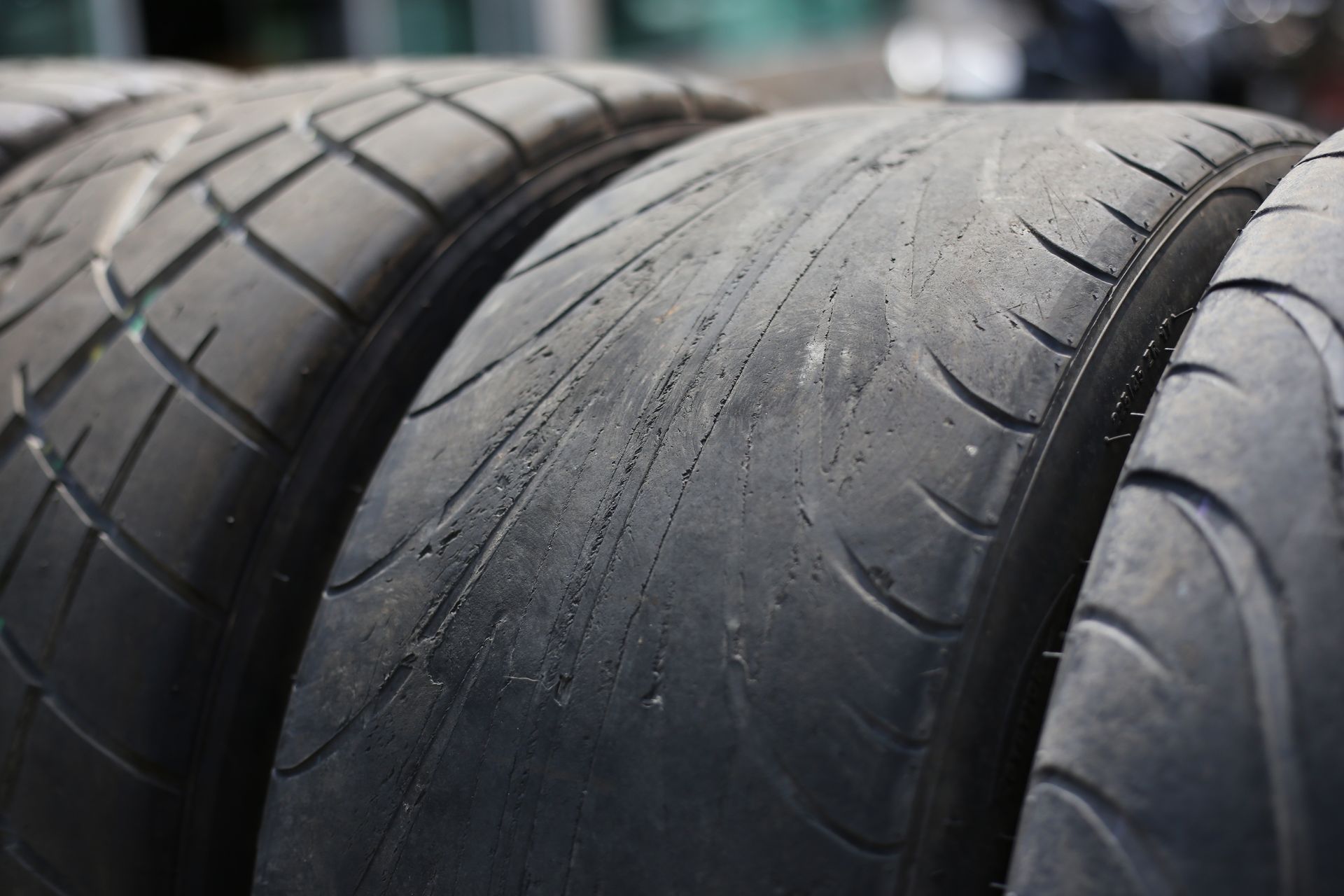
One of the biggest financial benefits of correct wheel alignment is protecting tire life. A tire that is being dragged slightly sideways because of an incorrect toe can wear much faster than one rolling straight ahead.
Alignment-related wear often appears along one edge of the tread or as feathering across the tread blocks. By the time a driver notices the pattern visually, the tire may already have lost a significant amount of usable tread. Correcting the alignment early can prevent new tires from developing the same wear.
A wheel alignment cannot restore tread that has already worn away. If a tire has become badly uneven, it may still need replacement even after the alignment is corrected.
Pulling and Wandering Should Be Checked
A vehicle that consistently drifts or pulls to one side can have an alignment problem, especially if the steering wheel is no longer centered while driving straight. Excessive toe, camber differences, or caster differences may contribute depending on the suspension design.
Alignment is not the only possible cause, though. Unequal tire pressure, mismatched tires, tire construction differences, brake drag, worn suspension parts, or road crown can also influence how a vehicle tracks. A proper inspection helps determine whether an alignment adjustment will actually address the complaint.
A Crooked Steering Wheel Is a Useful Clue
If the vehicle travels straight but the steering wheel sits noticeably off-center, the toe settings may need correction. This sometimes happens after suspension repairs, steering component replacement, or an impact with a pothole or curb.
Technicians center the steering wheel while setting toe so the wheels and steering system agree on the straight-ahead position. On newer vehicles, steering angle sensors and driver-assistance systems may also require calibration after certain alignment or suspension procedures.
Alignment Can Reduce Unnecessary Tire Drag
Incorrect toe can make the tires scrub against the pavement instead of rolling directly in the direction of travel. That creates additional resistance and increases tread wear.
Correcting a significant alignment problem can reduce that unnecessary drag. The improvement in fuel economy may be modest and will vary by vehicle, but keeping the tires pointed correctly avoids wasting energy through avoidable tire scrub.
When Should You Schedule an Alignment?
There is no universal mileage interval that applies to every vehicle. Alignment should be checked when symptoms appear, after certain repairs, or when driving conditions make changes more likely.
Good times to consider an alignment include:
- After hitting a large pothole or curb
- When installing a new set of tires
- After replacing steering or suspension parts
- When the steering wheel is off-center
- When the vehicle begins pulling or wandering
- When tire wear becomes uneven
Some drivers also choose to have alignment checked periodically as part of regular maintenance, especially in areas with rough roads or frequent potholes.
Worn Suspension Parts Must Be Repaired First
An alignment machine can measure suspension angles very accurately, but it cannot compensate for a loose ball joint, worn tie rod, damaged control arm bushing, or failing wheel bearing.
If a suspension component moves when it should remain controlled, the alignment can change as soon as the vehicle leaves the shop. That is why an inspection of steering and suspension components should come before adjustment when looseness or wear is suspected.
Bent parts can create a similar problem. If a wheel or suspension component was damaged in a collision or hard impact, simply adjusting the available settings may not bring the vehicle back within specification.
Proper Alignment Helps New Tires Last
Installing new tires on a vehicle with an existing alignment problem can shorten their useful life very quickly. Fresh tread does not correct the suspension angles that damaged the old tires.
Having alignment checked when uneven wear was present on the previous set gives the new tires a better starting point. Tire pressure and rotation are still important afterward, because alignment is only one part of tire care.
A consistent maintenance routine that includes tire pressure checks, rotation, suspension inspection, and alignment when needed can help prevent premature replacement and keep handling more predictable.
Get Wheel Alignment in Los Angeles, CA, With One Stop Auto Care
One Stop Auto Care in Los Angeles, CA, can measure your vehicle's alignment angles, inspect steering and suspension components, and correct adjustable settings when needed.
If your vehicle pulls, wanders, has an off-center steering wheel, or is wearing tires unevenly,
contact us to schedule a wheel alignment and inspection.