A catalytic converter usually operates quietly. You do not think about it on the way to work, and most drivers do not even know where it sits under the car until a check engine light or sluggish acceleration starts the conversation.
When it begins to fail, the engine can feel like it is fighting itself.
The catalytic converter is part of the exhaust system, but its condition can affect power, fuel economy, emissions, and how the engine responds under load. The signs are not always dramatic at first. Sometimes the car feels heavier than it used to.
1. Acceleration Feels Weak Or Delayed
A restricted catalytic converter can make the engine feel like it cannot breathe. Exhaust gases need to leave the engine cleanly. If the converter is clogged or failing inside, exhaust flow is restricted, and the engine has to push against backpressure.
Drivers often notice this most when merging, climbing a hill, or trying to pass. The RPM may rise, but the car does not pull the way it should. Around town, it may feel acceptable until you ask for more power.
That lazy feeling can come from other causes, too, like fuel delivery problems, ignition issues, or transmission problems. We usually check the whole pattern before blaming the converter.
2. Fuel Economy Drops Without A Clear Reason
Poor fuel economy can sneak up slowly. You start filling up sooner, but the car still starts and drives, so it feels easy to blame traffic or driving habits. Sometimes that is fair. Other times, the engine is working harder because exhaust flow is restricted or emissions controls are not doing their job.
A converter that is not processing exhaust properly can also be indicative of fuel mixture problems. If the engine is running rich, misfiring, or burning oil, the converter may be stressed while fuel economy drops.
The converter may be the part showing the symptom, but the engine may be the reason it got there.
3. The Check Engine Light Comes On
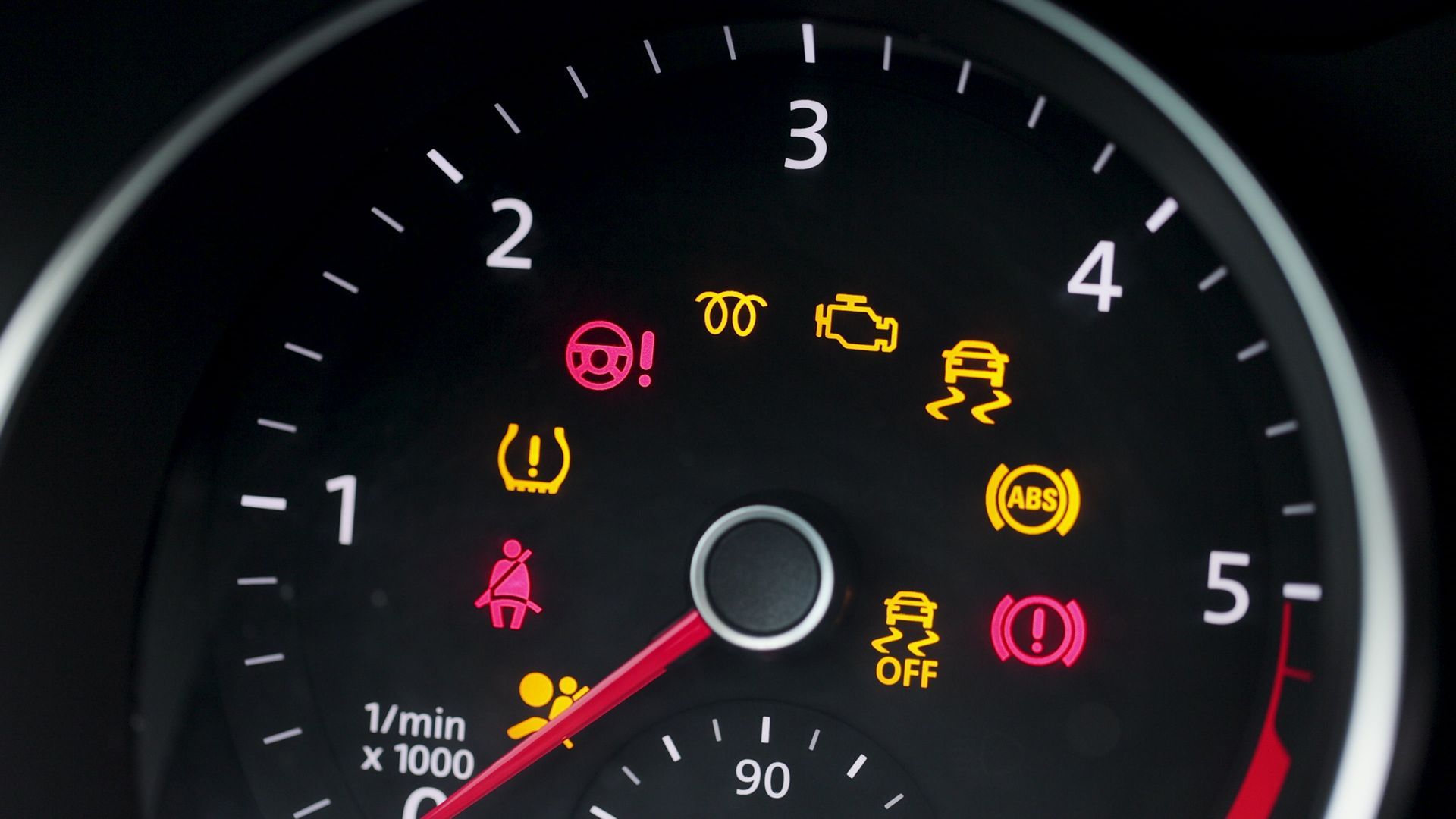
A check engine light tied to catalyst efficiency is one of the most common ways drivers find out there is a converter concern. The vehicle compares oxygen sensor readings before and after the converter. If those readings suggest the converter is not cleaning exhaust well enough, the light comes on.
That code does not always mean the converter failed by itself. Oxygen sensors, exhaust leaks, misfires, oil burning, and rich fuel mixtures can all affect the data. Replacing the converter without checking those causes can lead to the same light coming back on.
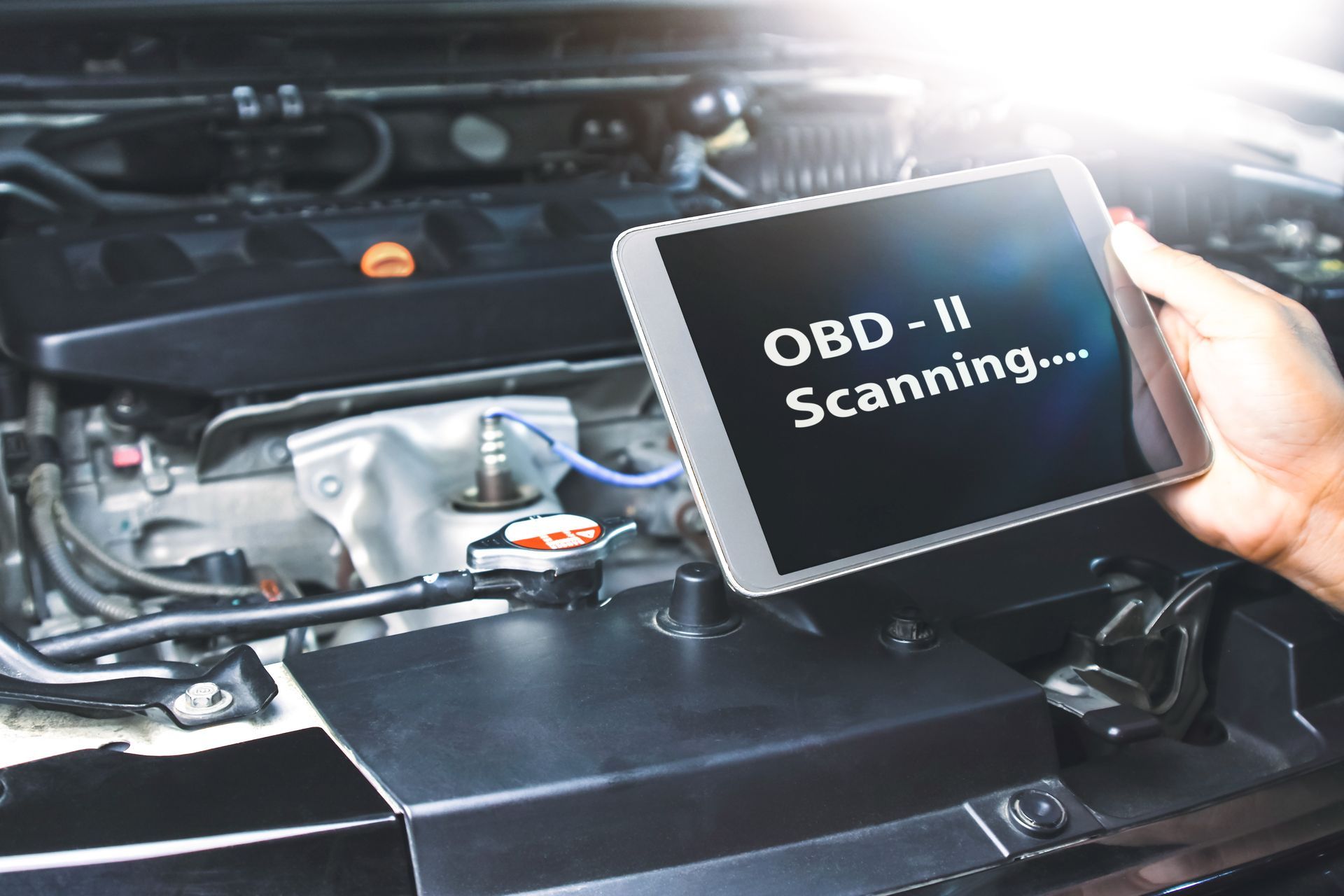
One of our technicians will read the code, check live data, and look for the reason the converter is failing the test.
4. You Hear A Rattle Under The Car
A rattling catalytic converter usually means something inside has broken loose. The internal material can crack or crumble due to age, heat, impact damage, or repeated engine problems that cause overheating of the converter.
You may hear the rattle during startup, when tapping the exhaust, or while driving at certain RPMs. It can sound like loose metal or small stones shaking inside the exhaust. A heat shield can rattle, too, so the sound needs to be confirmed before making a repair decision.
If the converter material is breaking apart, pieces can move and restrict exhaust flow. That is when a noise problem starts becoming a performance problem.
5. The Exhaust Smells Strange
A failing converter can create a sulfur or rotten-egg smell from the exhaust. That smell often indicates that exhaust gases are not being processed correctly. It may be more noticeable after driving, while idling, or when the engine is under load.
Fuel smell is another clue. If unburned fuel reaches the exhaust due to a misfire or a rich mixture, the converter can overheat. That situation needs attention because excess fuel is hard on the converter and can accelerate its wear beyond normal levels.
6. The Car Struggles More As It Warms Up
Some converter problems feel worse after the vehicle has been driven for a while. As the exhaust heats up, damaged or restricted material inside the converter can affect flow more noticeably. The car may feel normal cold, then weaker once it is fully warm.
You might notice reduced power after highway driving, poor response in traffic, or a feeling that the engine is being held back. In more severe cases, the converter can get extremely hot because exhaust flow is restricted or the engine is sending too much fuel into it.
Regular maintenance helps reduce the problems that damage converters in the first place. Spark plugs, ignition coils, oil consumption, coolant leaks, oxygen sensors, and fuel control issues all contribute to how long the converter lasts.
Why The Cause Matters Before Replacement
Catalytic converters are expensive enough that the repair should be based on proof. If the converter is restricted, broken inside, or no longer efficient, replacement may be needed. But the job is not finished until the reason is understood.
Misfires, oil burning, coolant entering the exhaust, rich fuel mixtures, or exhaust leaks can ruin a new converter, too. A proper inspection looks upstream before a new part goes in. That is how you avoid paying for the same problem twice.
Get Catalytic Converter Service In Los Angeles, CA, With One Stop Auto Care
If your car feels weak, uses more fuel, rattles under the hood, smells unusual, or has a catalyst-related check engine light, One Stop Auto Care in Los Angeles, CA, can inspect the exhaust and engine data to find the real cause.
Schedule a visit and get the converter checked before performance and fuel economy keep slipping.