A repair estimate can feel overwhelming, especially when it comes with a long parts list and a total that is much higher than expected. Most drivers are not trying to avoid needed repairs. They just want to know whether the estimate is fair, whether every item is urgent, and whether the problem has been diagnosed correctly.
That is where a second opinion can help. It gives you another set of trained eyes on the vehicle before you approve major work. Sometimes the first estimate is right. Sometimes it is incomplete. Sometimes it includes repairs that can be prioritized differently. The point is not to create confusion. It is to give you confidence before spending money.
Why Some Repair Estimates Feel So High
Modern vehicles are more complex than they used to be. A warning light, leak, noise, or drivability issue can involve sensors, modules, wiring, fluid systems, mechanical parts, and software-related checks. Labor time can add up quickly, and some parts are simply expensive.
Still, a high estimate should be accompanied by a clear explanation. You should understand what failed, how the shop confirmed it, what repair is being recommended, and what could happen if the work is delayed. If the estimate feels vague or rushed, a second opinion can help separate necessary repairs from items that need more proof.
A Second Opinion Can Confirm The Real Problem
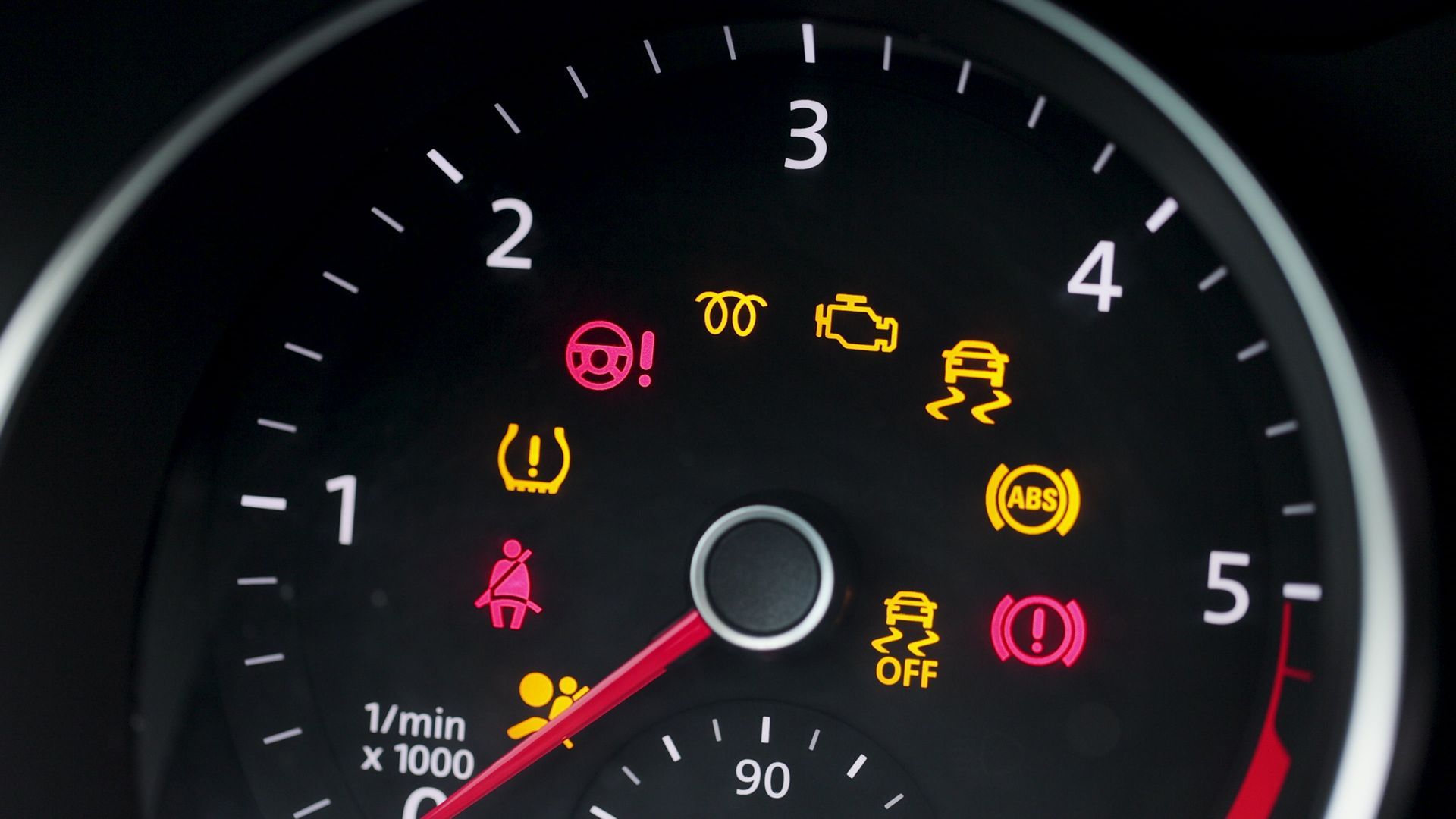
One of the biggest reasons to get another opinion is to confirm the cause of the symptom. A car that shakes while braking might need rotors, but it could also have tire, suspension, or wheel bearing concerns. A check engine light might point to one code, while the actual issue comes from a leak, wiring fault, or failed part elsewhere.
A proper inspection considers the symptom, test results, and the vehicle’s condition together. That matters because replacing the most obvious part is not always the same as fixing the cause. If the first estimate does not explain the testing behind the recommendation, another shop can help verify the repair path.
Not Every Repair Has The Same Urgency
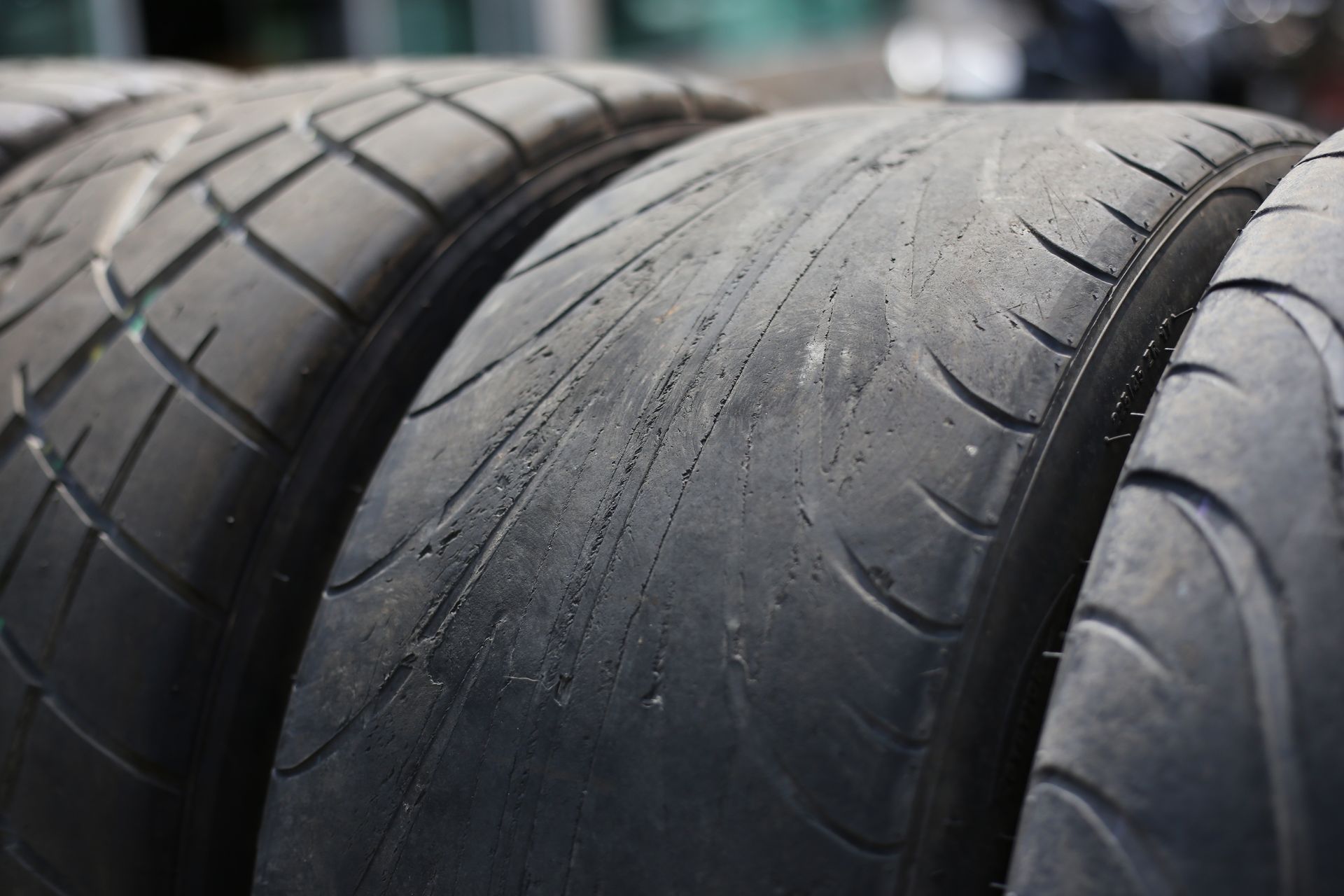
Some repairs need immediate attention. Brake fluid leaks, overheating, serious steering concerns, flashing warning lights, and unsafe tires should not wait. Other repairs can be monitored, scheduled soon, or handled in stages if the vehicle is still safe to drive.
A second opinion can help you understand that difference. Maybe the car needs one repair now and another at the next service. Maybe the recommended work is real, but not all of it has to happen on the same day. Clear priorities make the decision easier and help you plan around your budget.
Parts, Labor, And Procedures Can Vary
Two shops may estimate the same repair differently because they use different parts, labor guides, warranty coverage, or service procedures. That does not automatically mean one shop is wrong. It does mean the details should be clear.
For example, one estimate may include related parts that are smart to replace together. Another may only include the failed part. One may use original equipment parts, while another may use a quality aftermarket option. A fair comparison needs more than the final price. It needs a look at what is included, what is not included, and why.
Warning Signs Your Estimate Needs A Closer Look
A second opinion is especially helpful when something about the estimate feels unclear. Pay attention to signs like these:
- The repair list is long, but the explanation is short
- The estimate jumps straight to expensive parts
- The same warning light came back after a previous repair
- The vehicle symptom does not match the recommendation
- You are told everything is urgent without details
- No test results or measurements are provided
- The price changed quickly without a clear reason
- You feel pressured to approve work immediately
Good repair advice should help you understand the vehicle, not make you feel cornered. You should be able to ask questions and get answers that make sense.
A Second Opinion Is Not About Finding The Cheapest Answer
The cheapest estimate is not always the best one. A low price can leave out related parts, fluid, programming, alignment, diagnostics, or labor needed to finish the repair correctly. It can also use parts that do not match the vehicle well.
A useful second opinion focuses on value and accuracy. The goal is to find out what the vehicle truly needs, what can wait, and what should be done to fix the problem correctly. Regular maintenance records also help here because they show what has already been serviced and what might be overdue.
Bring The Estimate And Any Notes With You
If you are asking for a second opinion, bring the written estimate if you have it. Photos, warning light codes, inspection notes, and recent repair records can all help. The more information the shop has, the easier it is to compare the recommendation with what the vehicle is actually doing.
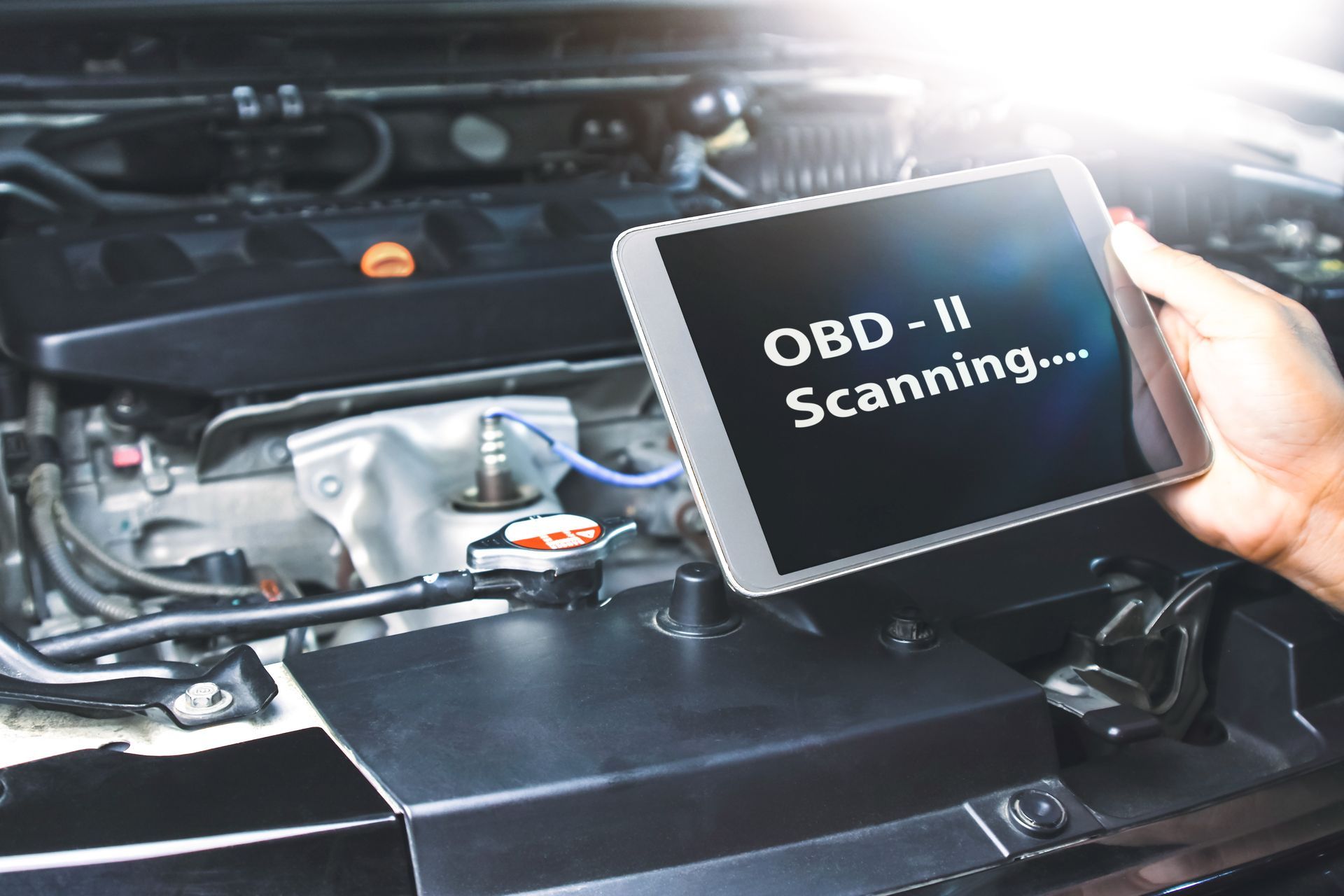
Even with paperwork, the vehicle still needs to be checked. A technician may road test it, inspect the affected system, review fluid condition, scan for codes, check measurements, or look for signs that the first estimate may have missed. That second inspection is what turns another opinion into useful advice.
Get A Second Opinion On Auto Repair In Los Angeles, CA, With One Stop Auto Care
If a repair estimate feels too high, unclear, or rushed, One Stop Auto Care in Los Angeles, CA, can review the concern, inspect the vehicle, and help you understand what work is truly needed.
For a clear second opinion before approving major auto repair, contact us to schedule an appointment.